

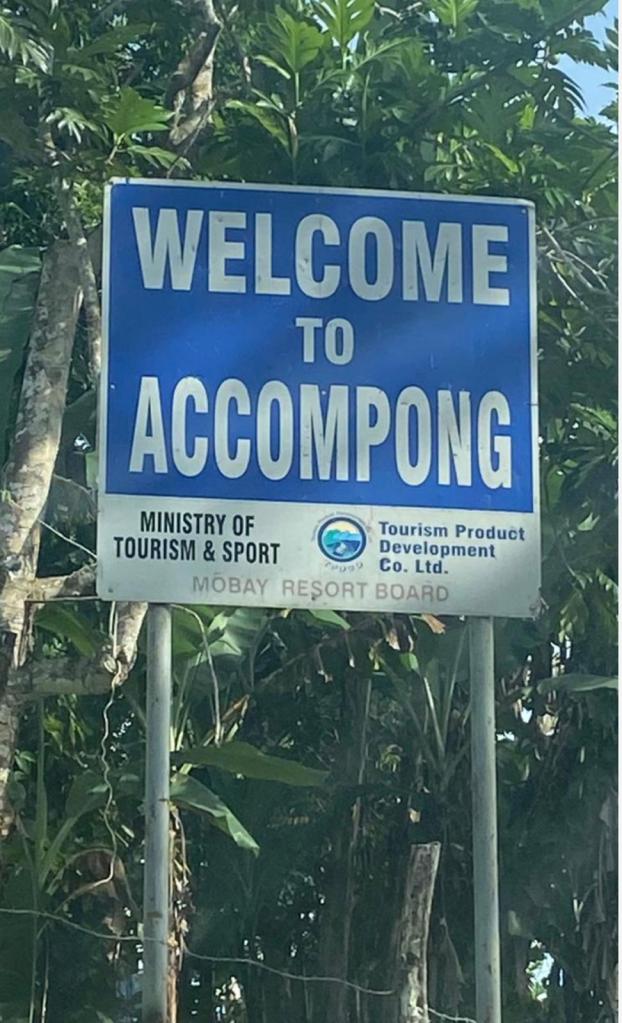
I’d been looking forward to the Accompong Town Maroon Festival because it relates profoundly to our Black experience in the West. The Maroons were enslaved Africans who escaped into the mountains of St. Elizabeth and Trelawny. Periodically, they held raids on plantations to free other enslaved Africans from their Spanish, then later British, captors.
The history runs deep: these Africans and indigenous Tainos had been fighting Spanish colonizers who occupied the island, enslaved and decimated the Taino population, then brought in Africans from West Africa to work plantations. Several groups of Africans and Tainos freed themselves and fought the Spanish, then later the British after Spain ceded Jamaica to Britain following the Anglo-Spanish War in 1655.
In 1738, the Maroons signed a treaty with the British granting them sovereign territory in Jamaica—similar to treaties signed with indigenous peoples of America and Canada. That treaty is and has been recognized annually by the Government of Jamaica and the British Government, reaffirming their territory in central Jamaica with their own border, flag, government, and way of life. In essence, it’s their own country that can be seen and identified on Jamaica’s map as Cockpit Country.
For Maroons and their descendants, preserving their way of life and independence is of utmost importance. Many of their rituals—which we glimpsed during their two-day festival—are steeped in African roots and honor those traditions. Day one featured the leadership council meeting and honoring of venerated ancestors. Day two brought reenactments of battles for freedom they endured, participants donning camouflage and making use of terrain to evade and elude their enemy.
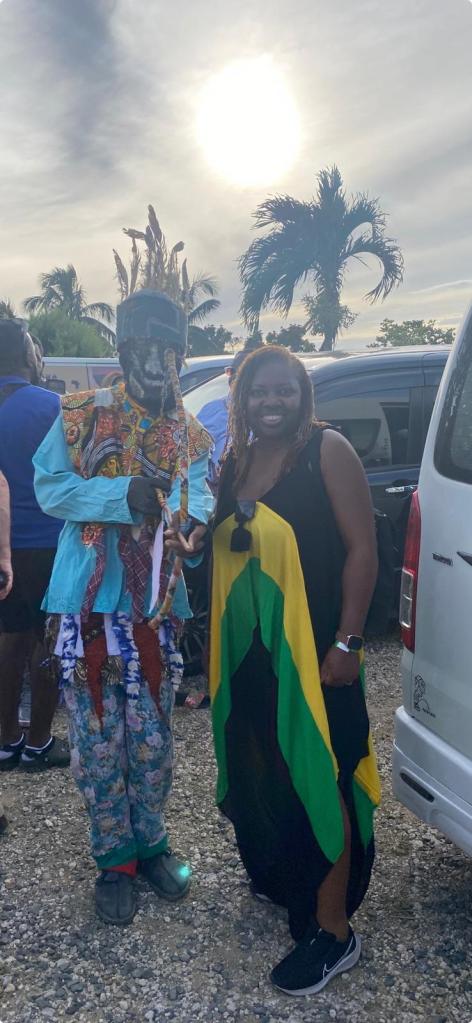
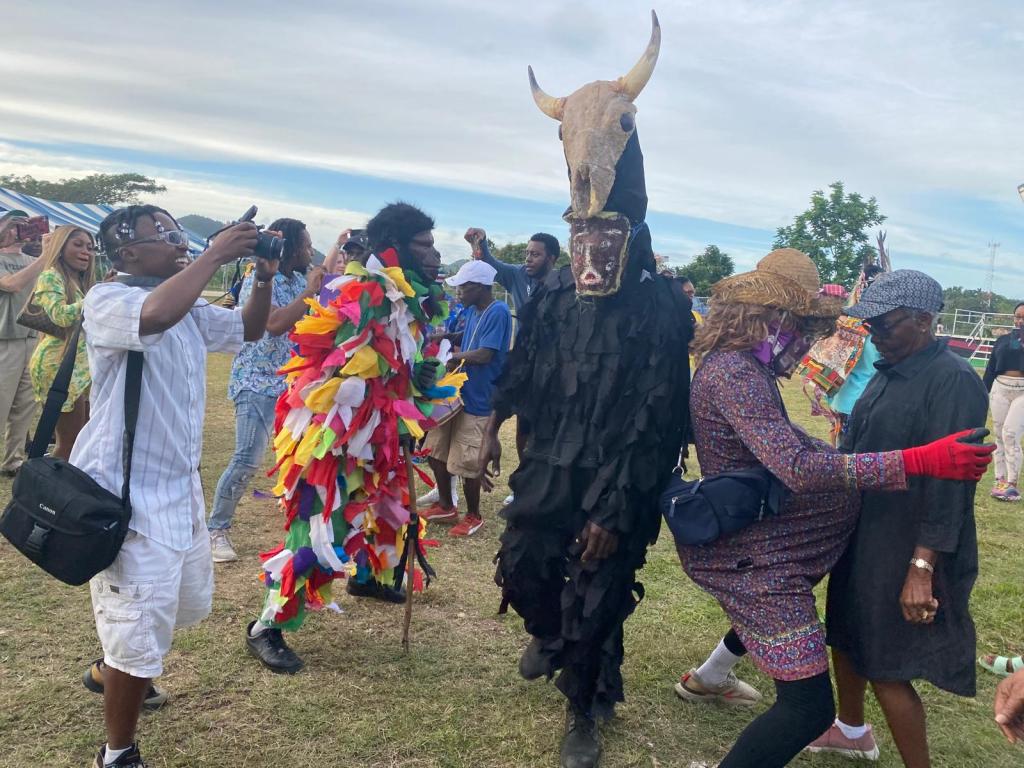
The drum served as means of communication and connection to the spiritual force of creation, expressed through drumming, dancing, and chanting in ritualistic fashion. Truly a sight to behold and experience.
In true festival fashion, vendors, artisans, and craftspeople performed throughout the grounds. The smell of jerk chicken being prepared the old-fashioned way in steel drums over hot coals wafted through the air. All manner of culinary delights were available, though being far from the coast up in the hills meant no seafood. No worries—there were vegetarian options as many Maroons are also Rastafarian, observing a strict no-meat diet.
Day two’s highlight was visiting the Maroon Museum where the Maroon Treaty is on full display along with many other important historic documents and artifacts. Later, we witnessed the proclamation ceremony by the British High Commissioner (the King’s representative in Jamaica) recognizing the treaty that has ensured this community’s continuity for the past 280 years.
This is an important and significant group of people—this was the model for the Haitian Revolution, which also served as the model for the American Revolution. The Maroons showed the world it was indeed possible to fight colonial powers and gain independence. The Haitians fought the French in similar fashion, and Americans gained their independence from the British shortly thereafter—all inspired by resistance from a group of Africans and Tainos who refused to be subjugated.
The celebration continued into the wee hours with performances by some of Jamaica’s top reggae artists who energized the crowd of thousands who stayed to party Maroon-style. The journey to and from Accompong Town was not for the faint of heart, mostly due to lack of infrastructure (good roads), but well worth it for this cultural experience steeped in history.
Standing there among the Maroons, watching their ceremonies, hearing their drums, I felt connected to something larger than myself—a continuous thread of resistance and dignity stretching back centuries. These weren’t museum pieces or historical reenactments; these were living traditions maintained by people who never stopped fighting for their freedom and identity.
My kids, who’d shown limited interest in where I lived in Lucea, were transfixed. This wasn’t abstract history from textbooks; this was their heritage made tangible through dance, drum, and declaration. The Maroon Festival didn’t just educate us—it transformed our understanding of what it means to be Jamaican, to be descended from people who refused to accept oppression.
As we drove back to our resort, the kids were quieter than usual, processing what they’d witnessed. Nicola and I exchanged glances—we’d given them what we came for: a cultural connection to the land, to the resistance, to the resilience that defines Jamaica and its diaspora.
Tags: #AccompongTown #MaroonFestival #Trelawny #CockpitCountry #JamaicanHistory #AfricanHeritage #CulturalImmersion #MaroonTreaty
 Drop Of Golden Sun