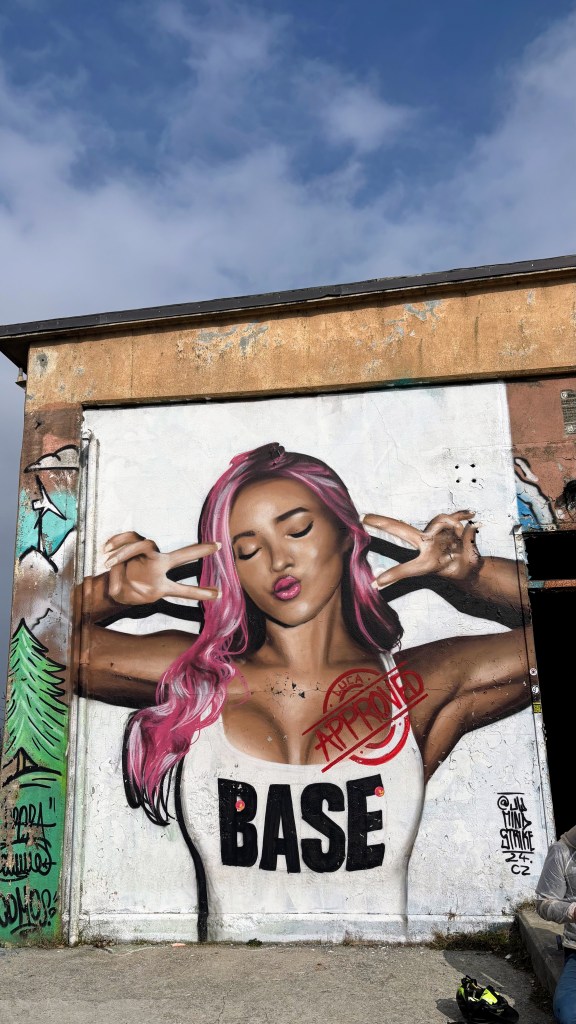
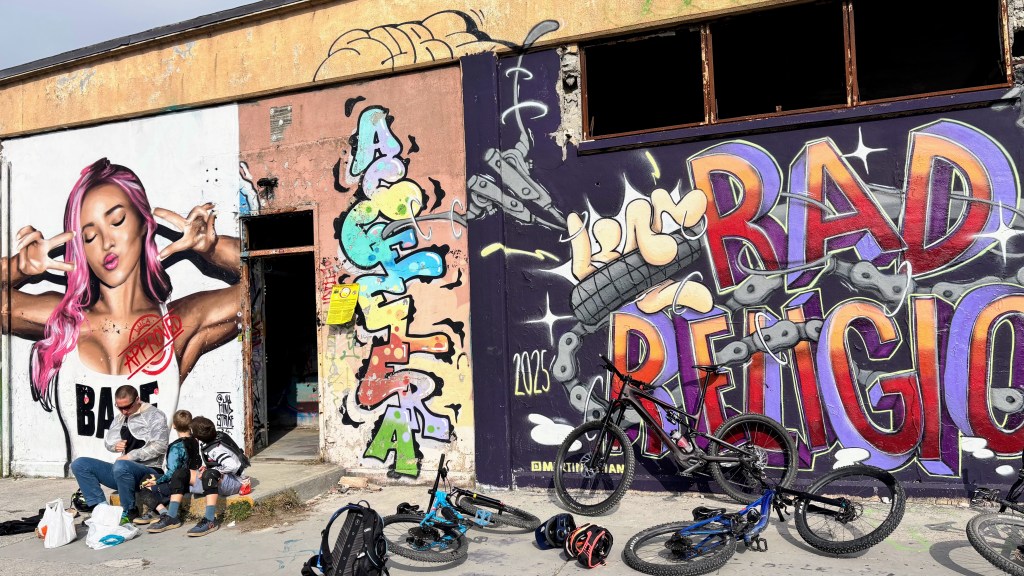
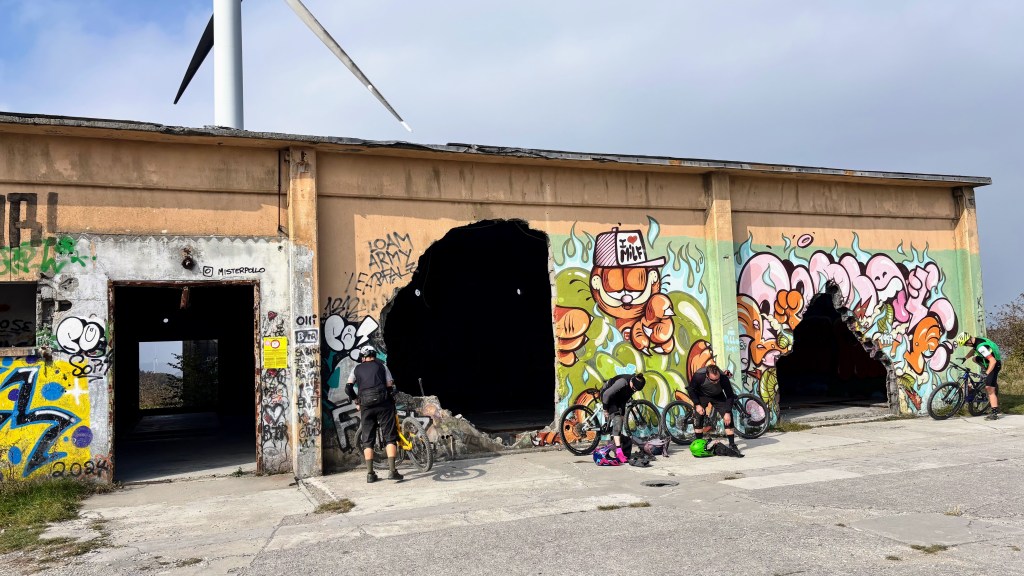
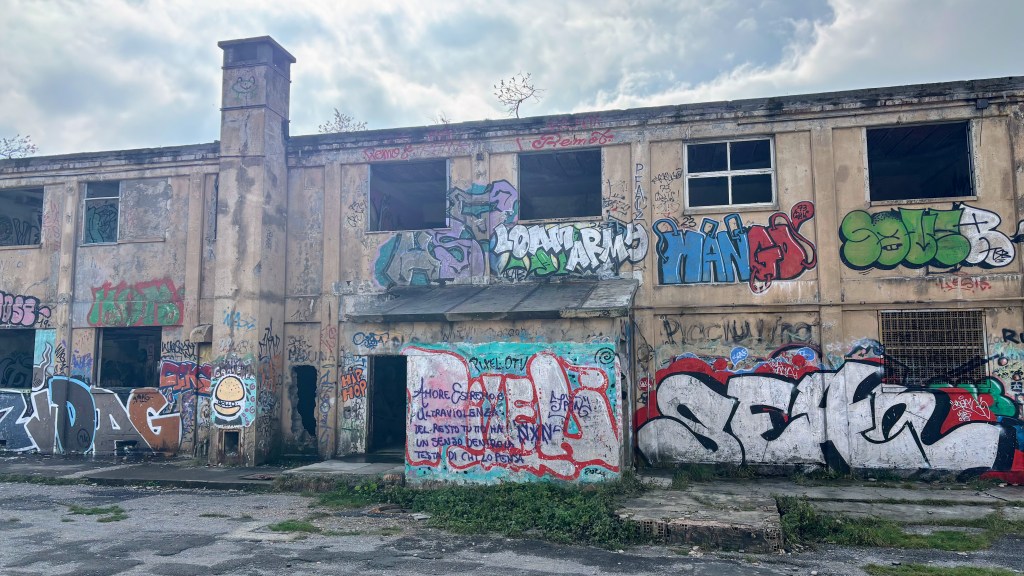
The first thing you see at the NATO base is the graffiti. Decades of it, sprayed over Cold War concrete, names and dates and symbols layered into something that reads like a logbook of bad decisions. Everyone around me looked calm. I did not feel calm. In about four minutes I’d be rolling out the gate onto a trail the Enduro World Series has raced.
That was the start of my week mountain biking in Finale Ligure. On my own, nobody I knew, on a stretch of the Italian Riviera where people who ride for a living come to get humbled. I’d booked a full week with a guiding outfit called Atlas Ride Co, mostly so somebody would notice if I disappeared over the edge.
Everything I knew about Finale came from edits. Some pro railing a corner at a speed that looked illegal, sea glittering behind them, the kind of clip that makes you forget you’ve ever fallen off a bike. What those clips leave out is the bit where an ordinary rider watches one, books a flight, and then has to point his front wheel down the same hill.
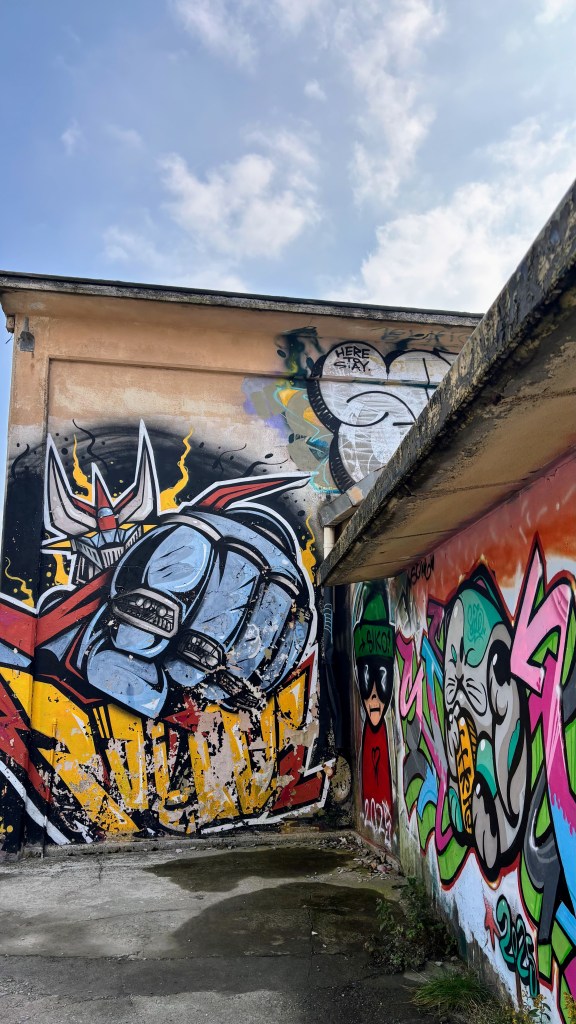
Mountain Biking in Finale Ligure: Guided or Solo?
I did think about going it alone, because Finale makes it easy. Buy a day or half-day pass for the public uplift and you can shuttle yourself around the hills without ever booking a guide. Plenty of people do exactly that. Then I read enough to learn that the trails grew out of old mule tracks and military roads, and that the grades are optimistic to the point of fiction. A trail that looks like it might go easy on you will, given the chance, put you in a tree.
So I went guided, and “guide” undersells it. Atlas runs a private uplift: a van for your group and nobody else, ferrying you and the bikes back up the hill so your legs are fresh for the only part anyone cares about, the descent. Instead of grinding out a couple of runs under your own power and limping home, you link trail after trail, because the climbing is somebody else’s job. They work with the local trail builders and the regional crew that keeps the network alive, and they ride it every week of the season. They know which lines are riding well right now and where the remote stuff is hiding, up roads you’d drive straight past.
For me the appeal was simpler. I didn’t have to navigate or guess my way down a mountain. I could put everything I had into not falling off, and given how little I had, that was where it needed to go.
The good guides also read the group. They put a rider of your particular skill level onto something he can survive, then quietly raise the bar while he’s too busy to notice. And they film you. At the top of the next run, somebody pulls up the footage on a phone and shows you where you’re losing time or about to hurt yourself. I learned more from thirty seconds of that than from a year of guessing.
They’ve also got firm opinions on music. The drive up to the trailhead is where the energy builds. Their music, their taste, no negotiation. By the time you climb out of the van, you’re ready.
Atlas runs a few versions of the trip. The Uplift Adventure Tour is the full week with the hotel and most meals sorted. The E-MTB Tour puts you on an e-bike if you’d rather the battery did some of the climbing. The Exclusive MTB Tour builds a custom week around your own crew. Pick the one that matches what your legs can do, not what reads well afterwards.
You could ride Finale without any of this. You’d just ride fewer trails and spend half the week lost on a fire road. With Atlas, you actually learn the place.
The First Drop
There’s a moment at the top of the first trail where everyone goes quiet. Helmets on, nothing left to say, the only thing remaining is the thing you came for. I dropped in, and for the first few minutes my bike and I held completely different views on how this should go. Braking too late. Timing off. Every root taken as a personal insult. I rode like a man who’d done all his training on a sofa.
Then, somewhere in the rocks, it stopped being a fight. Not gracefully. But the bike started doing what bikes do once you stop arguing with them, and Finale’s signature came through, that natural flow with technical surprises spiked into it, just enough to keep you honest. Enough to swell your forearms, wreck your hands, and pull an involuntary grin out of you on the move.
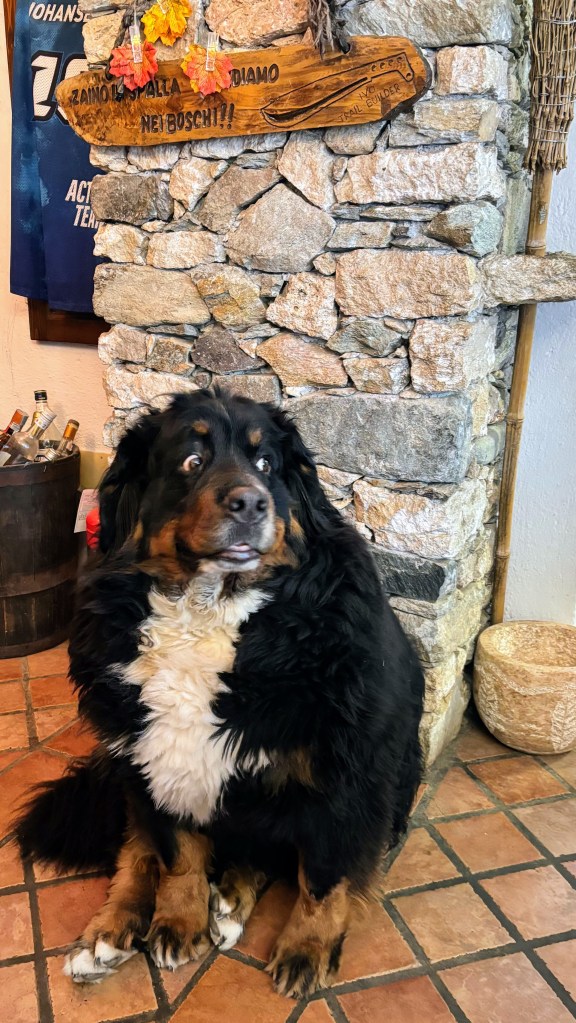
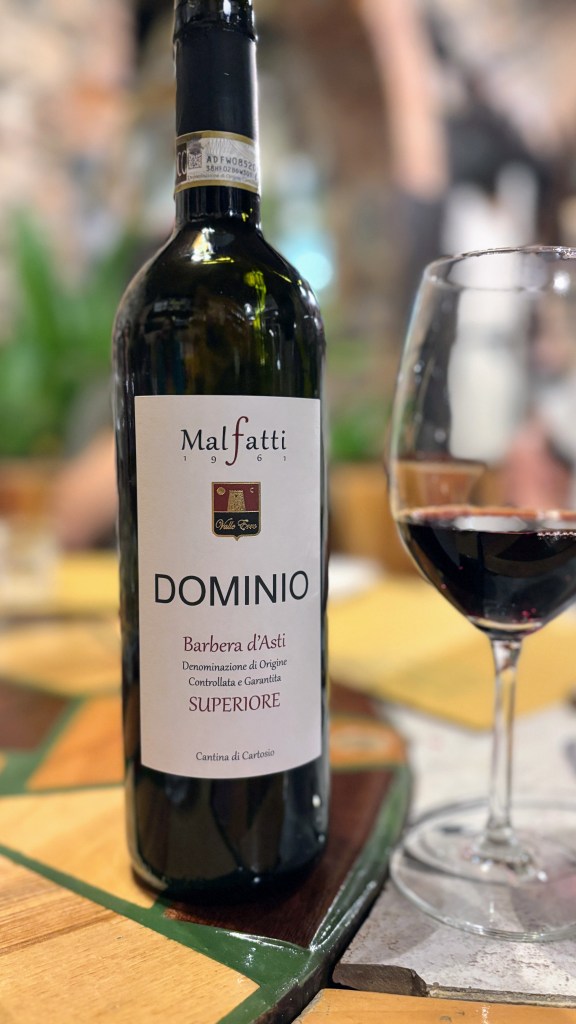
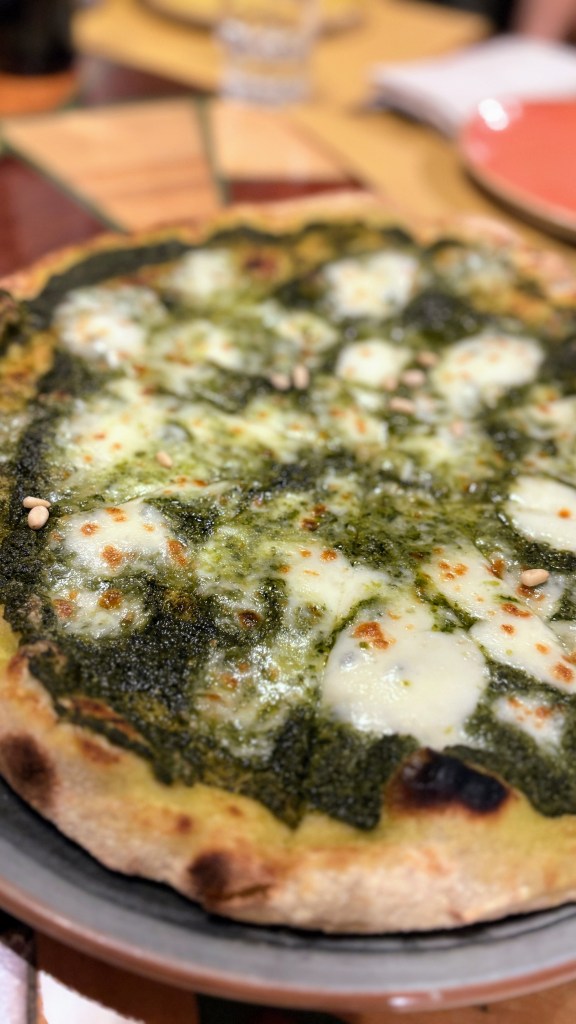
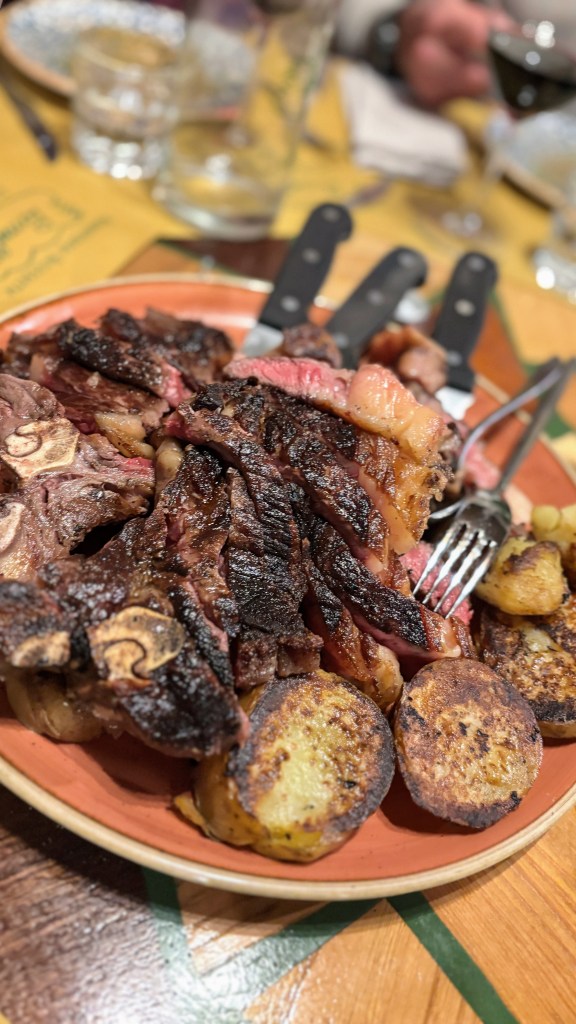
Lunch was its own obstacle. The restaurant came guarded by two enormous dogs asleep across the doorway, bouncers who’d clocked off years ago. Getting in meant stepping over them, which felt like a test you could plausibly fail. Clear it, and the payoff is good food, local wine, and the small private dignity of having lived through the morning.
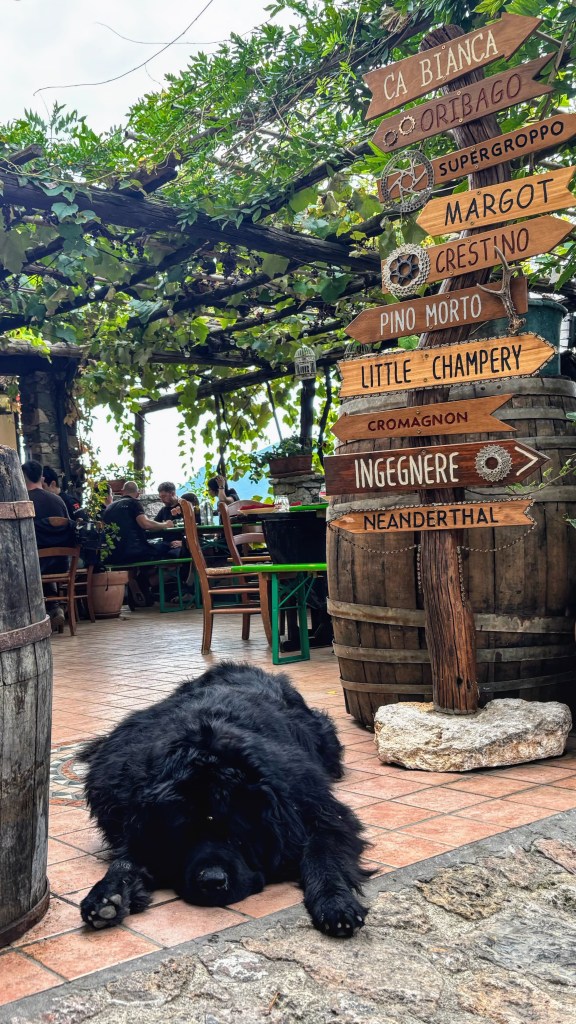
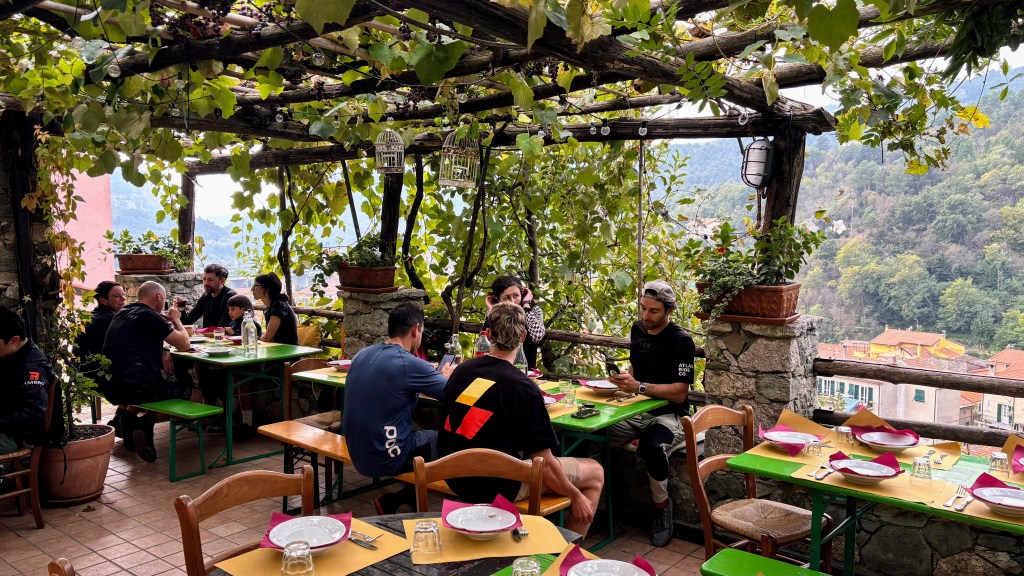
Race Stages and Mild Terror
The mornings started cold enough to make you question your choices, until the smell of wet forest and dead leaves talked you back into them. Atlas would thread the van up roads built for soldiers and supply trucks, drop us somewhere high, and let the descent do the rest.
Each zone has its own character. The NATO base feeds into fast, loamy singletrack like Crestino and Sentiero H. Up at Melogno you get Roller Coaster, a rolling ribbon of dirt that rides exactly how the name threatens. Madonna della Guardia, named for the church on the summit, is the rough, rocky red stuff. And then the old race stages: Fast and Furious, Revenant, Isallo, CDC, Olle-Olle, Bottassano, lines decades of riders have shaped and re-shaped.
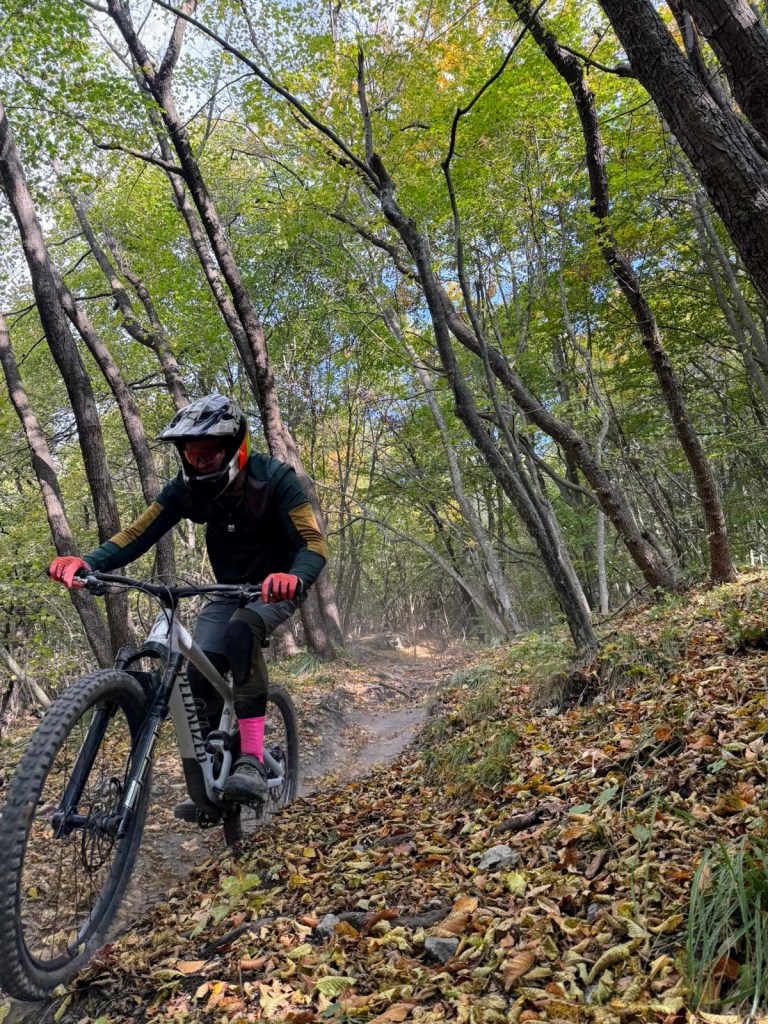
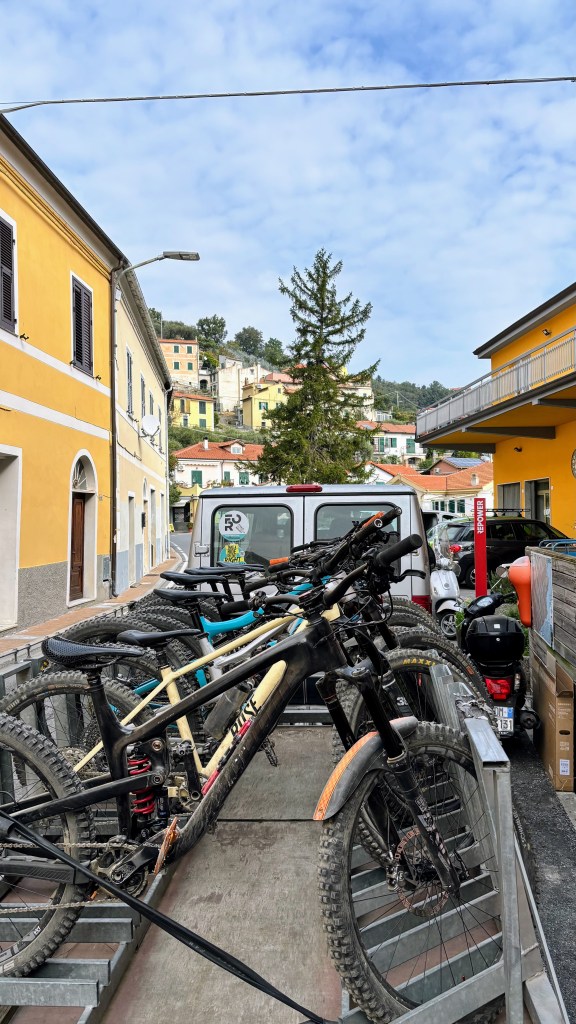
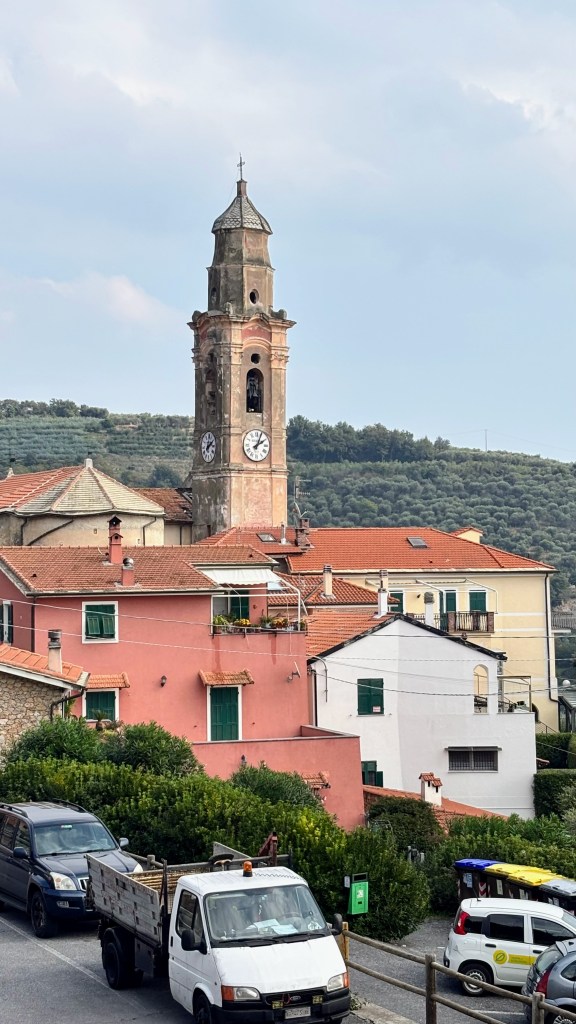
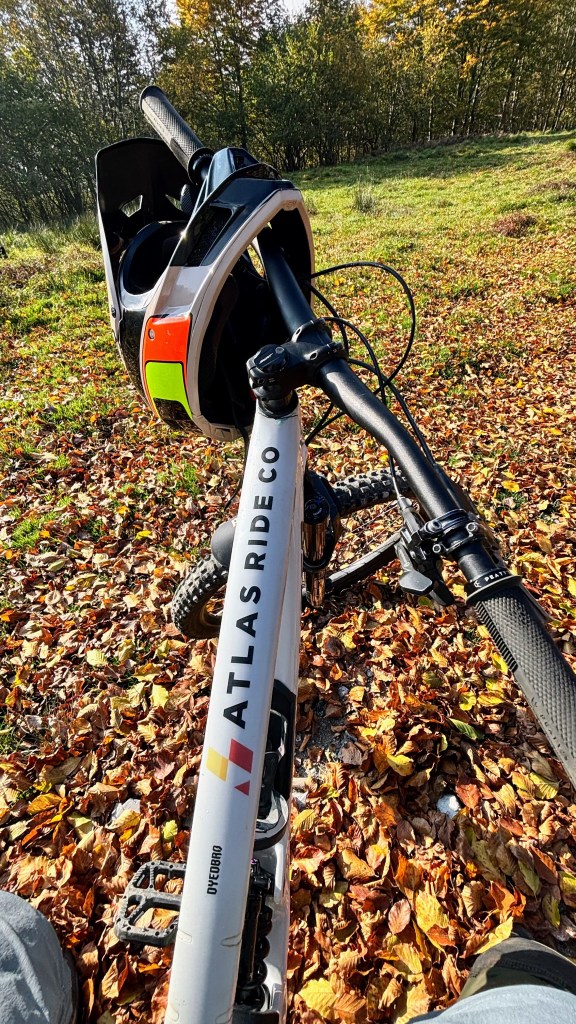
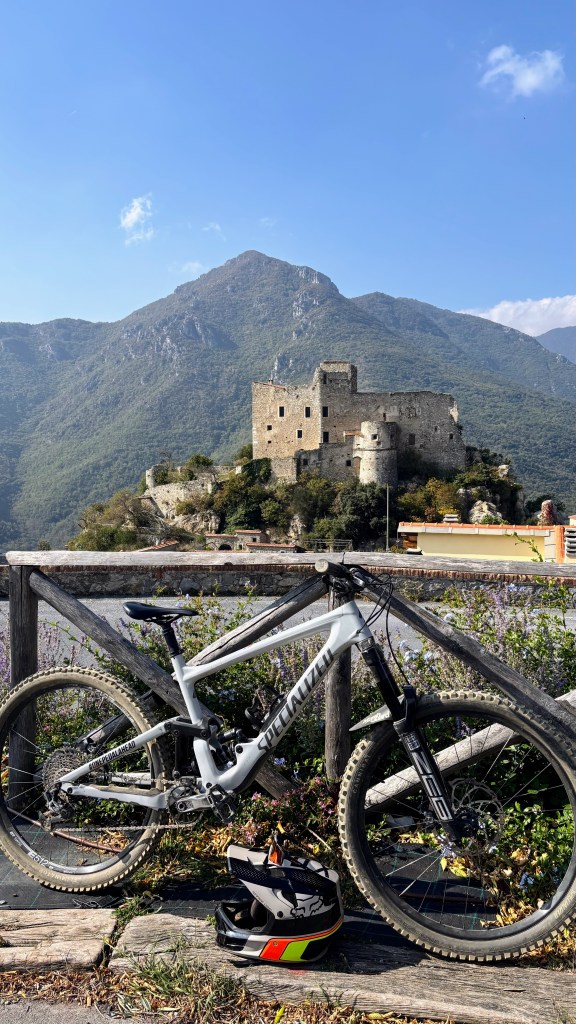
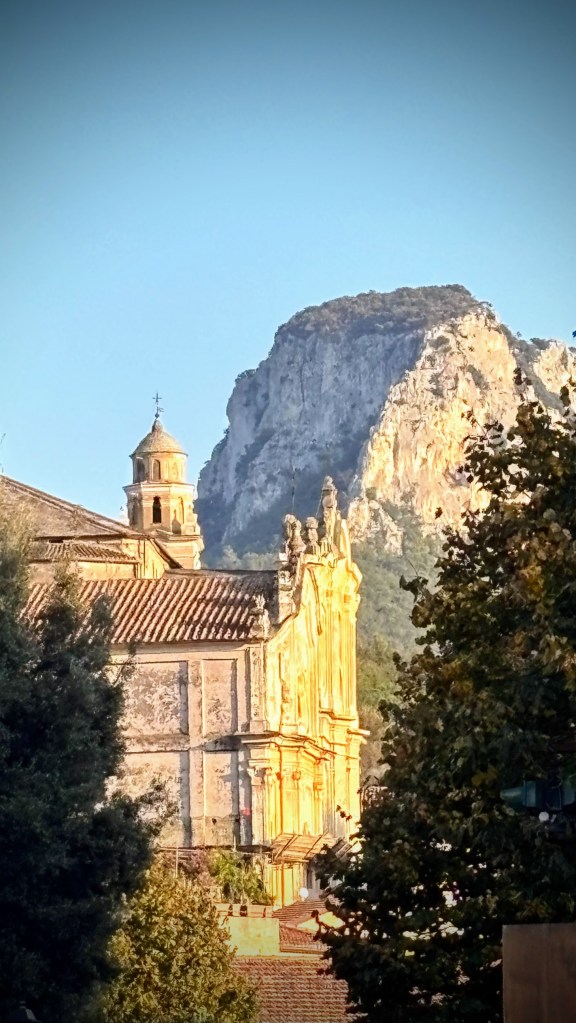
Some were narrow enough that a sneeze could end the trip. Others opened into fast, swooping bliss. All of them wanted everything you had. I spent a good chunk of the week chasing riders who were plainly better than me, which produced a strange calm somewhere underneath the terror. At speed there’s no room for anything but the next few metres. The inbox stops existing. The worrying goes quiet. It all shrinks down to traction and the decision not to stop.
Then a guy in our group lost his brake pads completely, mid-descent, which has a way of focusing the mind. Quick swap at the trailside and we were rolling again. On the edge of one trail a clump of purple saffron flowers sat there looking serene, unbothered by any of us. Nature here is lovely, and it could not care less about your line.
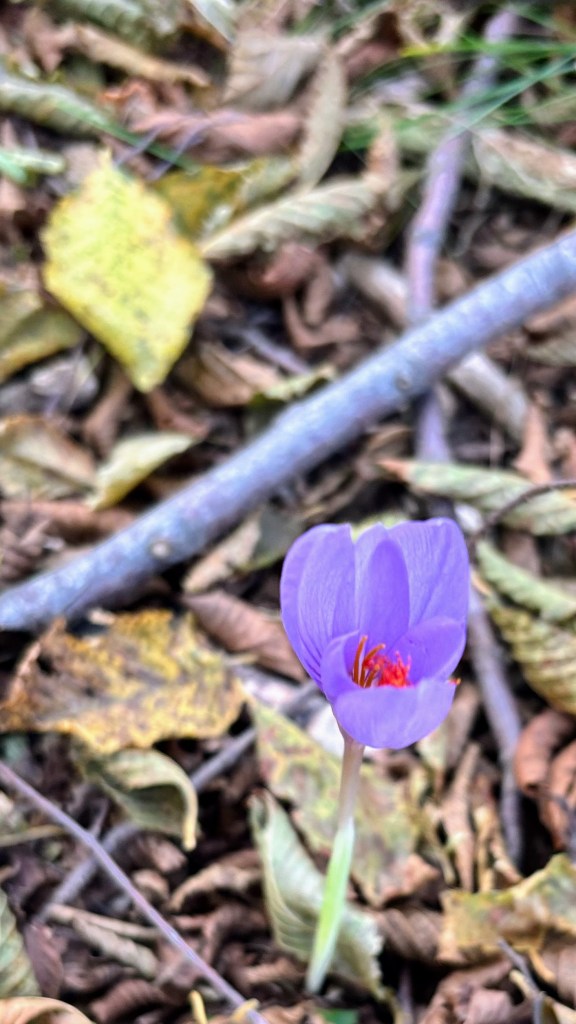
The Strangers in the Van
I showed up alone, which made the group a lottery. You don’t get to choose the people you’ll share a van, a week, and a run of near-death experiences with. You climb in on the first morning, nod at a row of strangers in body armour, and hope it goes well.
Mine went well. There’s a particular bond that forms when you watch each other do something mildly stupid at speed, day after day, and everyone survives it. You learn fast who rides within themselves and who quietly swaps a stranger’s brake pads on the side of a hill. By day three the nodding had become conversation, and the conversation had settled into the easy shorthand of people who’ve been frightened together.
The rest day sealed it. A rest day in Finale means whatever you decide it means. Some went to the beach. Some went hunting gelato. A couple of maniacs felt three days of riding hadn’t quite done it and headed out for a “quick spin” that turned into a full day of climbing. I took the coast with a few of the group, chasing what we’d been told was the best gelato going. Everyone called it active recovery, the phrase cyclists use to justify still moving while in obvious pain.
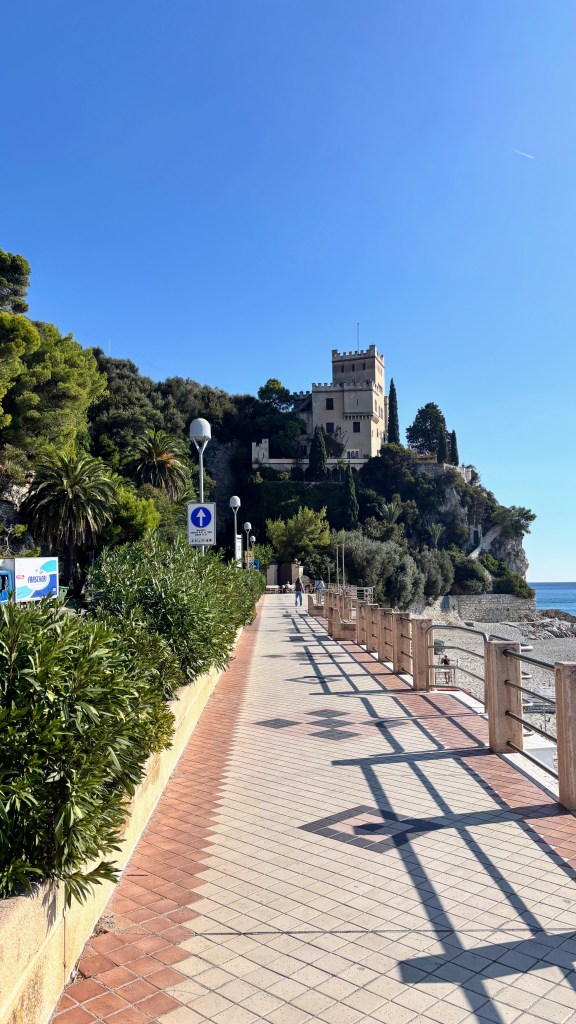
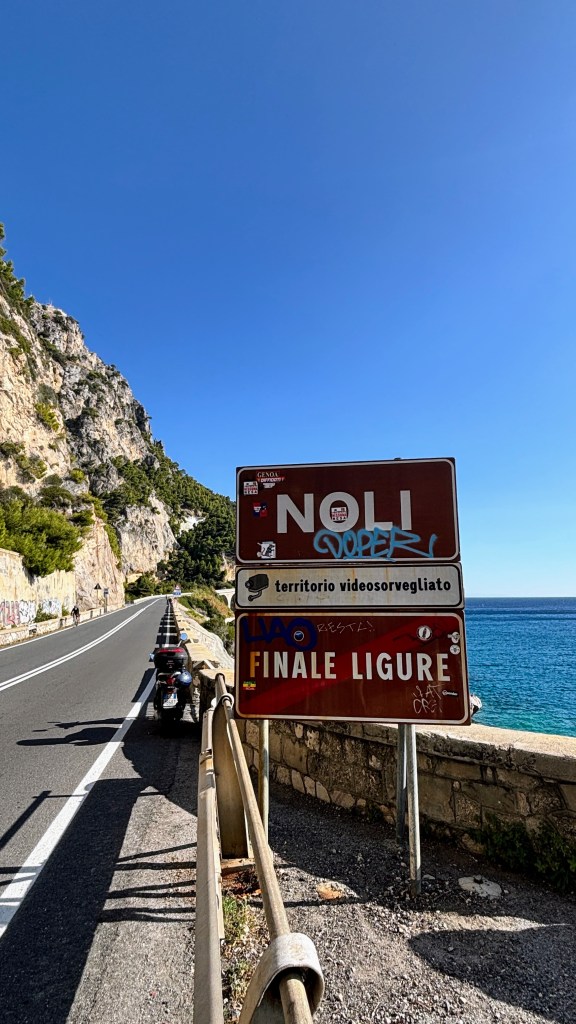
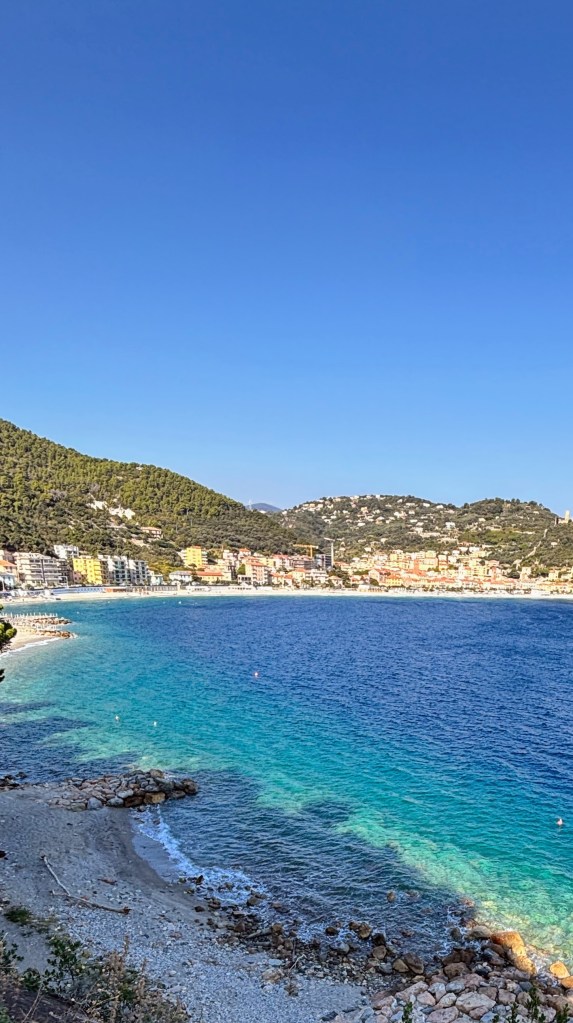
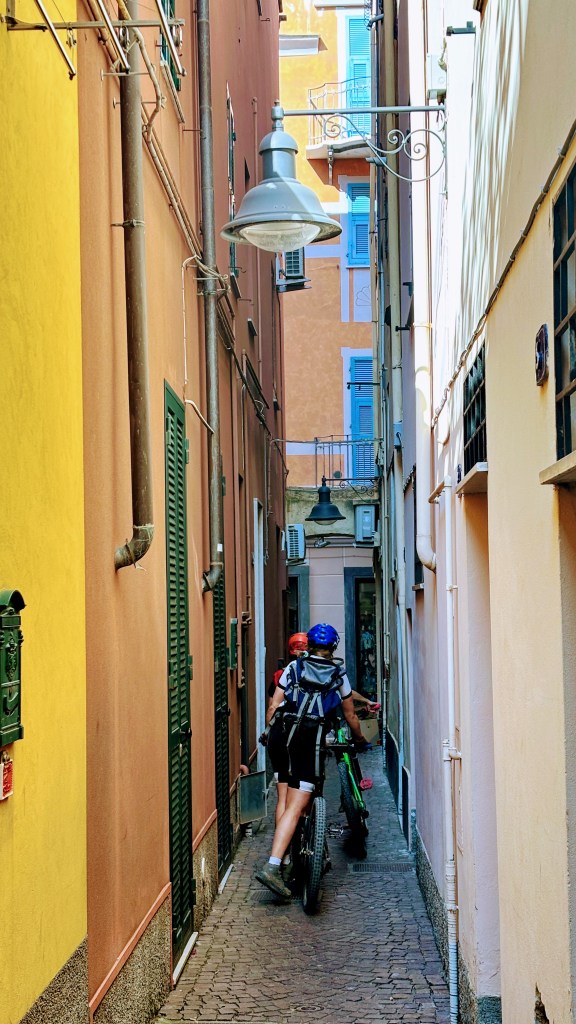


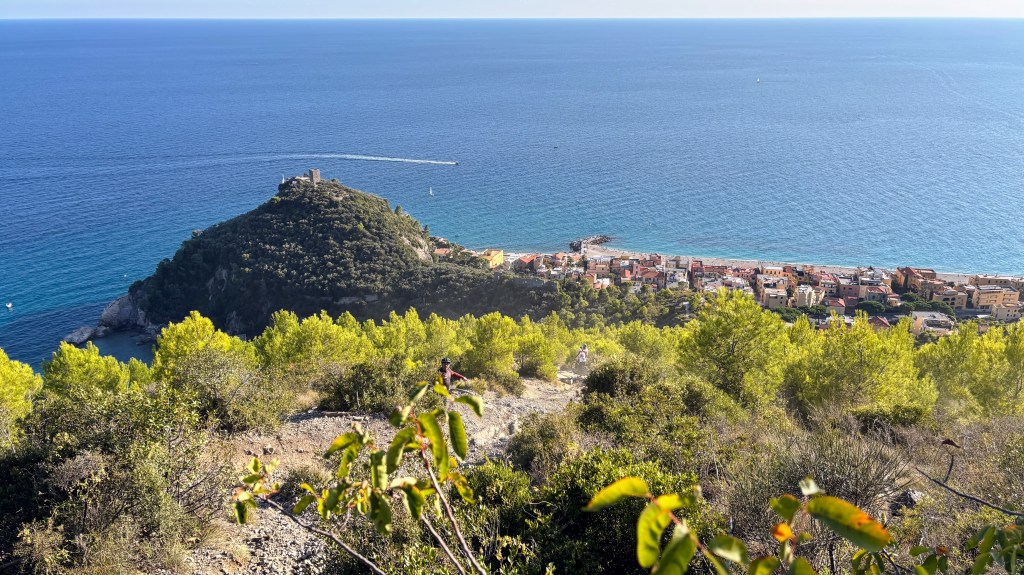
We rolled along the Ligurian coast under a flat blue sky, the sea an almost suspicious shade of turquoise. The coffee tasted better out here. Time went slack. At one point a man strolled past with three Dalmatians in perfect formation, a small black-and-white parade, and something just clicked over into proper holiday mode.
What Finale Leaves You With
By the last day something had changed, and I won’t pretend I planned it. Trails that looked like death traps on the first morning had quietly dropped to merely hard. Lines I’d have walked at the start, I rode. The fear didn’t leave so much as move into the back seat, still there, just no longer steering.
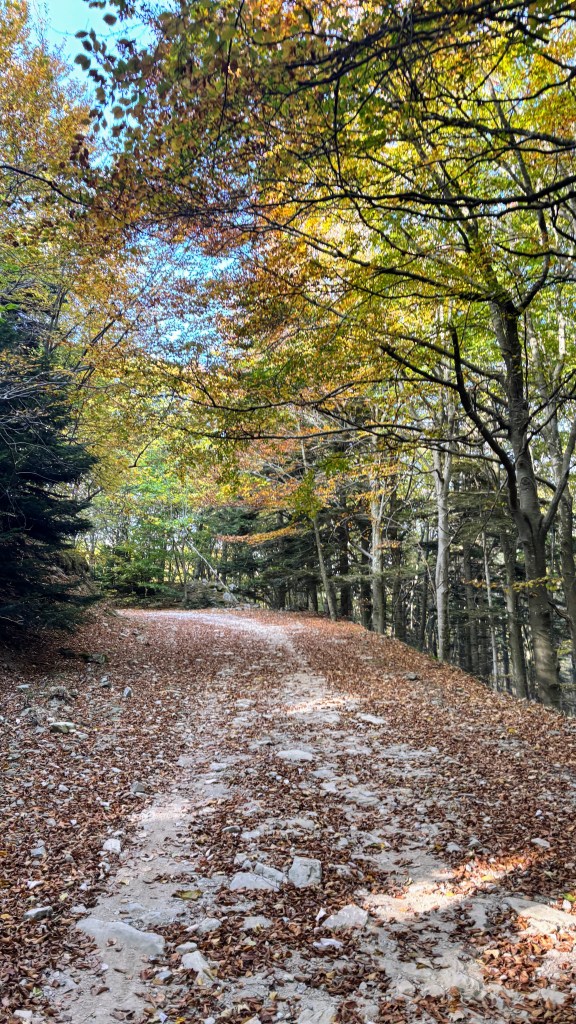
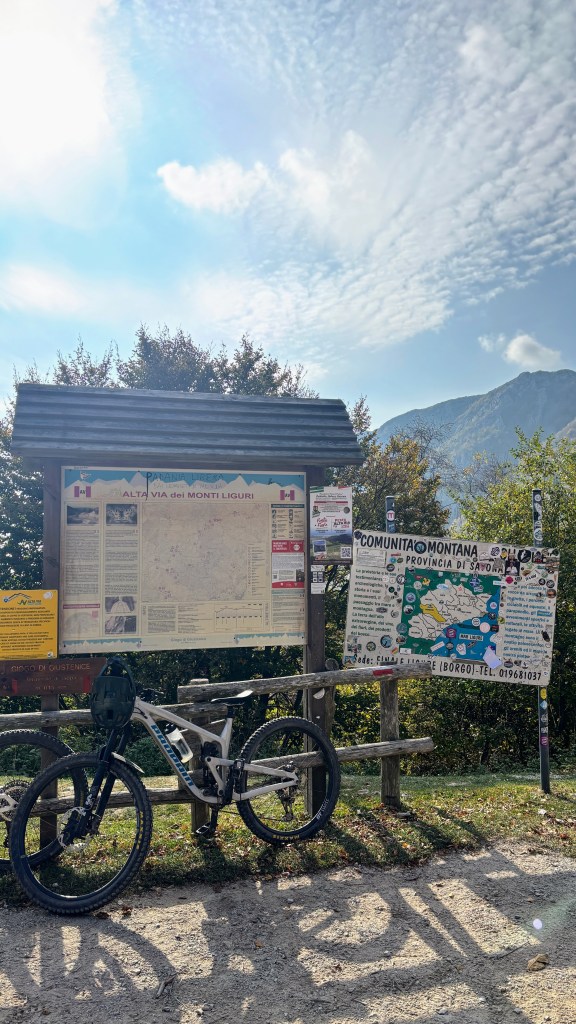
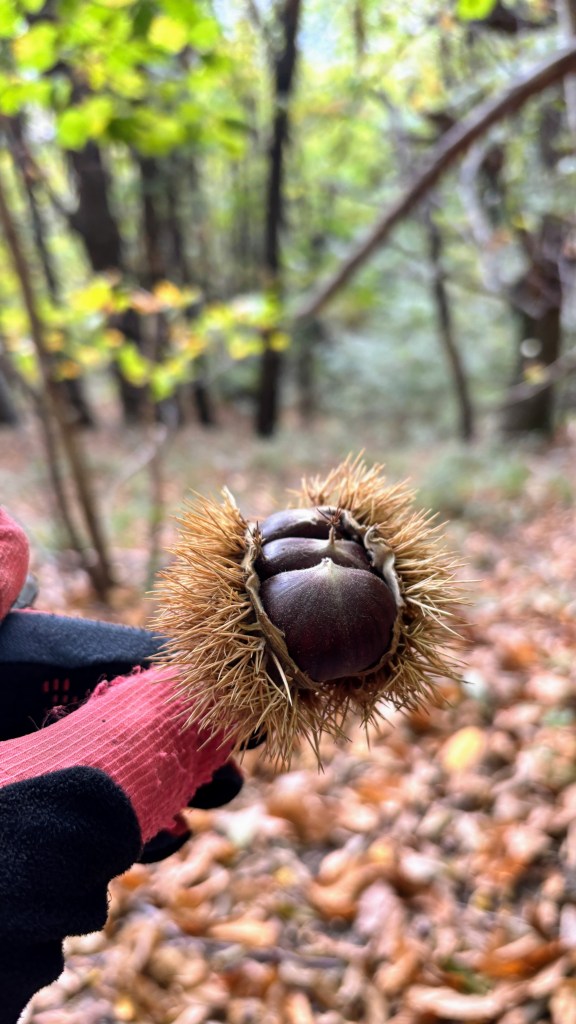
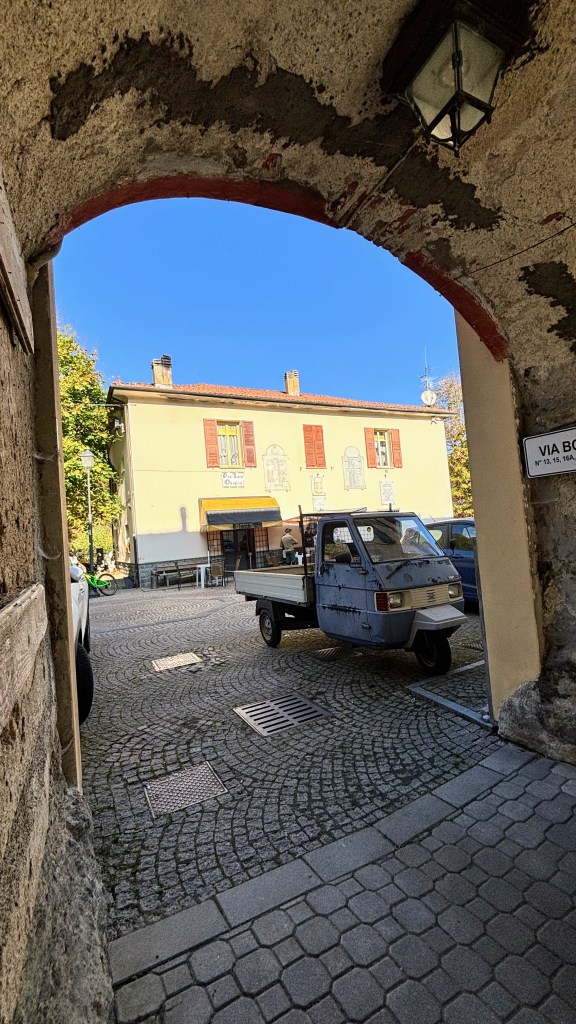
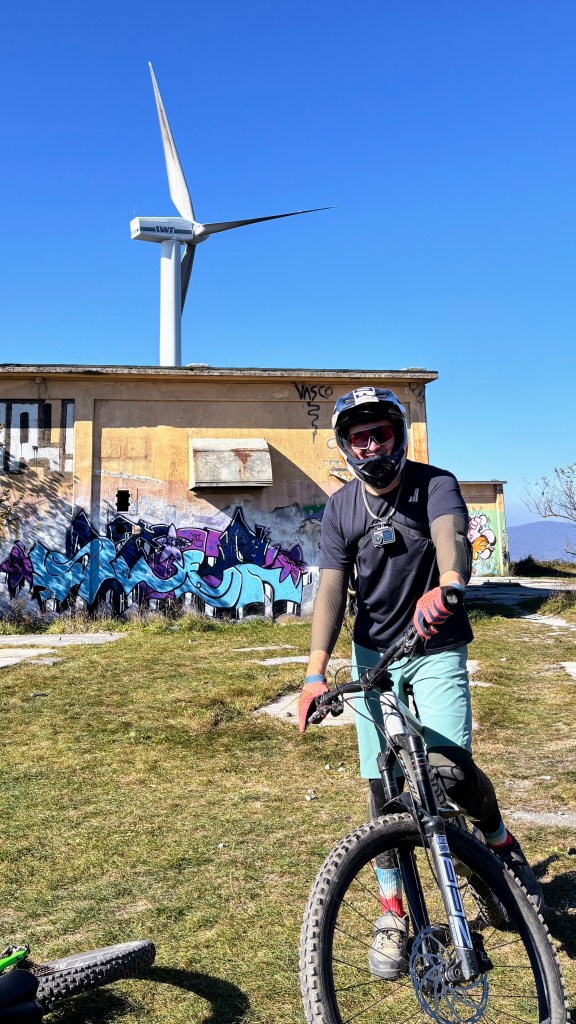

Some of that was Atlas. The uplifts kept my legs for the descents, and the coaching turned flailing into small deliberate fixes. Mostly it helped to have someone who knew the place well enough to put me on things I’d never have risked alone.
The less flattering version is simpler. I got better because I rode a lot, came off a few times (nothing serious), chased people who outclassed me, and gradually stopped wrestling the bike. Finale didn’t transform me into anything. It gave me six days, a stack of frightening trails, a van of strangers who turned into something like friends, and a forearm pump that hung around well into the next week.
I flew home sore, faintly addicted, and already pricing flights back. Which is, I suspect, the entire point of the place.
A Rough Week, If You Want One
Not a prescription. Just how mine fell out.
Day 1: NATO base and the loamy warm-up. Everything feels fast and technical and way beyond you.
Days 2 and 3: Into the gnarliest stuff. The old race stages, the rocky red terrain, the lines that demand everything. This is where fear gets loud.
Day 4: Rest day. The coast, gelato, your brain finally catching up to your body.
Days 5 and 6: The same hard trails from earlier, except now you’re riding them. Confidence showing up where panic used to be.
Five days on the bike, one off in the middle. About right, before your forearms file a formal complaint.
More riding: [internal link: Bubión Switch-Backs post] | [internal link: Park City summer mountain biking]

