


Somewhere around the third switchback of my first morning riding in Park City, lungs burning at an altitude my sea-level body never agreed to, I had a thought that took me the rest of the trip to work out. Most of what I was riding had been built for fun, groomed, shaped, and signed. But the mountain it was built on had been opened up a long time before, by people who came here for a much harder reason than a good descent.
For the first few days, I enjoyed the surface of the place, the flow trails, the cider, the long lunches, the alpine coaster, before anyone bothered to show me what the whole thing was built on.
What it was built on is silver. The silver discovered here in 1868 and hauled out of this mountain by miners and immigrants a hundred and fifty years before anyone thought to build a flow trail on top of it. By the end of the trip, I could not unsee it. Every ride, every meal, every drink sat on top of the same buried story. This is that story, and the few days it took me to notice it.
Here is the thing about silver. It does not shine on its own. Left alone, it tarnishes, goes dark, disappears back into the rock it came from. Somebody has to dig it out, and then somebody has to polish it. Park City handed me the polished version at every turn, gleaming and easy. It took until my last day on the bike, standing on a mountain still dotted with the old mining structures the miners left behind, to understand I had been shown the shine without the tarnish. And you cannot really see silver until you have seen both.
The Trails
Park City Mountain in summer does not look like a postcard. Some of the lifts are running, hauling bikes and sightseers instead of skiers, the snow is a rumour, and the runs have gone green. This is not a ski town that tolerates bikes in the off-season. It is a genuine two-season mountain, and the summer half is no consolation prize. It was the first place in the world where IMBA handed a Gold Level Ride Center rating, which reads like a tourism-board line until you ride it, and then it just reads as true.
White Pine Touring fitted me to a bike, a Specialized Stumpjumper that did everything I asked and quietly covered for the things I got wrong, and pointed me uphill, where my sea-level lungs promptly filed a complaint. Just over 30 kilometres that first day, about 20 of it before we stopped in town for lunch while a farmers market went on around us. A good share of the morning went to negotiating with my own heart rate through aspen and pine. Then the trail tipped down, and I forgot all of it, modern flow lines and tight rutted singletrack in one long descent.
The next day was Slate Creek, out in Kamas, which starts by making you earn it. A long and steady climb, and then it drops into one of the nicest flow trails I have ever ridden, a fast ribbon of dirt through the trees, nothing trying to kill you, just bliss and pump. The climb was not the price of the descent. The climb was the reason the descent felt that good.


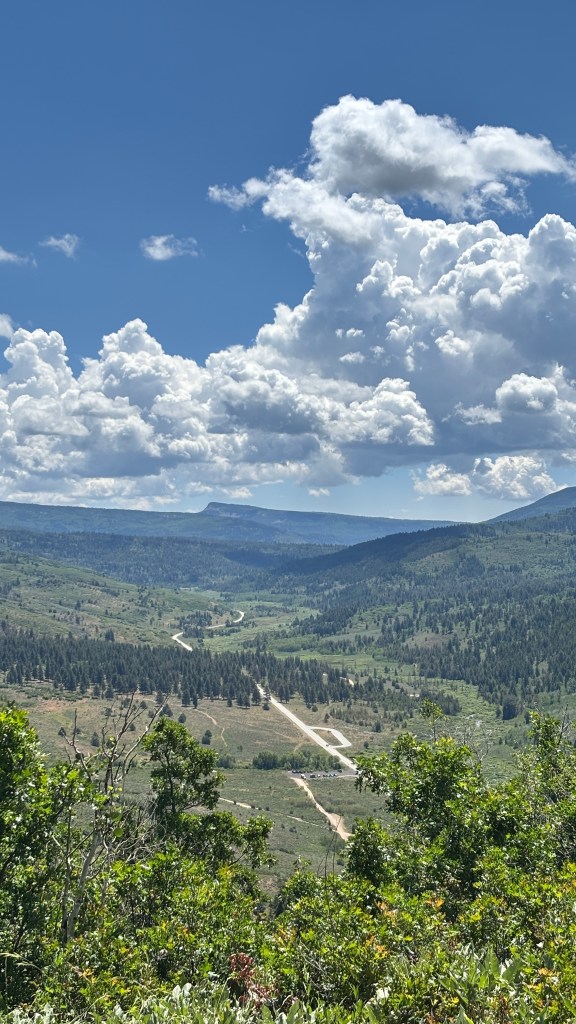
Then Deer Valley, which rides like a different sport altogether. Where the first two days were raw and hard-won, Deer Valley is buffed to a sheen, the dirt so smooth and the corners so well shaped that the trail seems to do half the work for you. It flatters you. You come off a descent convinced you have suddenly become a better rider, and it takes a minute to realize the mountain just made it easy to look good. Some trails test you and some trails carry you, and after two days of being tested, being carried felt like a gift I had not earned. It is also the tell of a place that pours real money into its terrain. Nothing that smooth happens by accident.
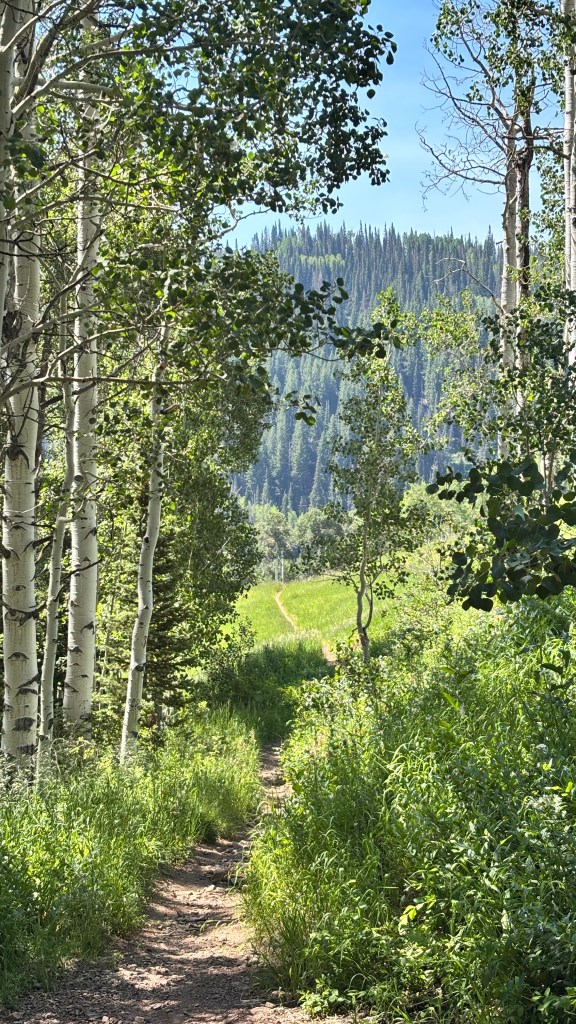

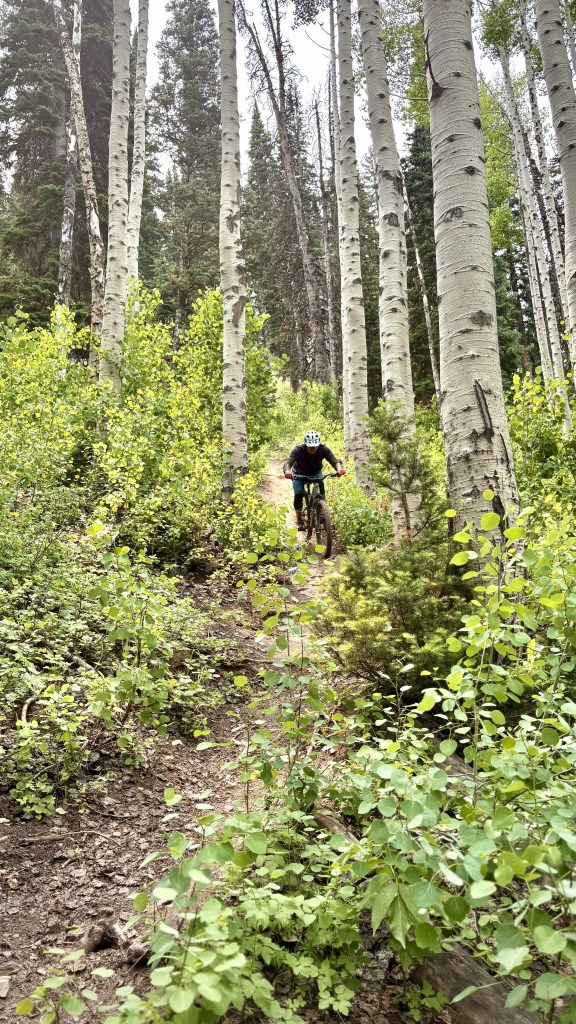
That is the through-line across all three mountains: a network still being worked on, new trails cut and old ones refined. And all of it was built for fun on ground other people had cracked open long before, looking for silver. I was having the time of my life on top of somebody else’s much harder reason for being here.
Knee-Deep and Clueless
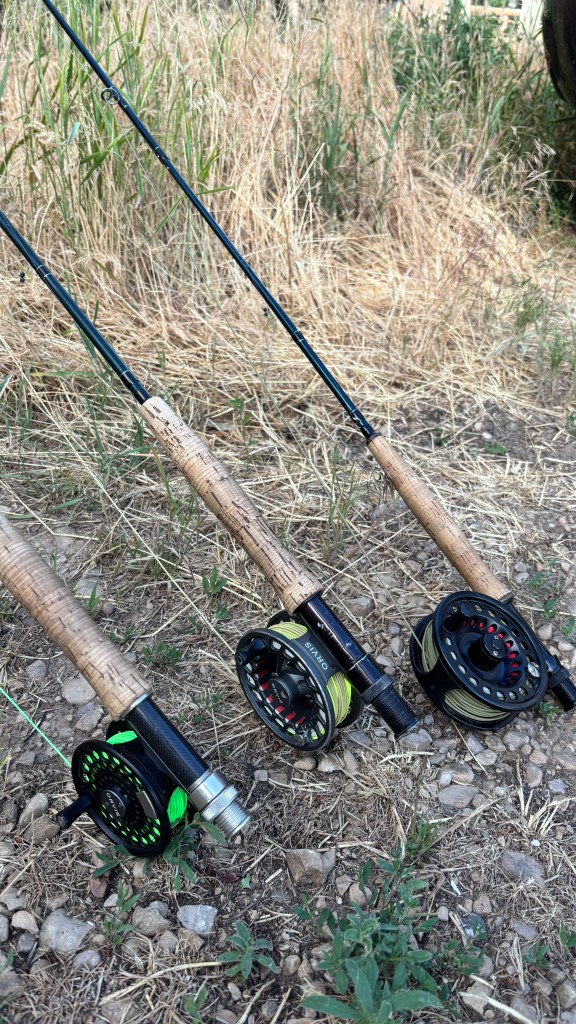
My legs got a pardon on the fourth day: a break from the bike, and my first go at fly fishing, guided by the crew at JANS.
There is a particular humility in standing knee-deep in the cold mountain water of the Provo River, being handed a rod, and discovering your hand-eye coordination has no idea what a fly cast is supposed to feel like. It is all timing and rhythm, and mine had neither. Everyone around me was starting to find it. I mostly stood there taking in the mountains and the sound of the river, which turns out to be its own reward when the fish want nothing to do with you. I did not catch a thing. A few others did, held up their fish, looked pleased, and I made my peace with going home empty.
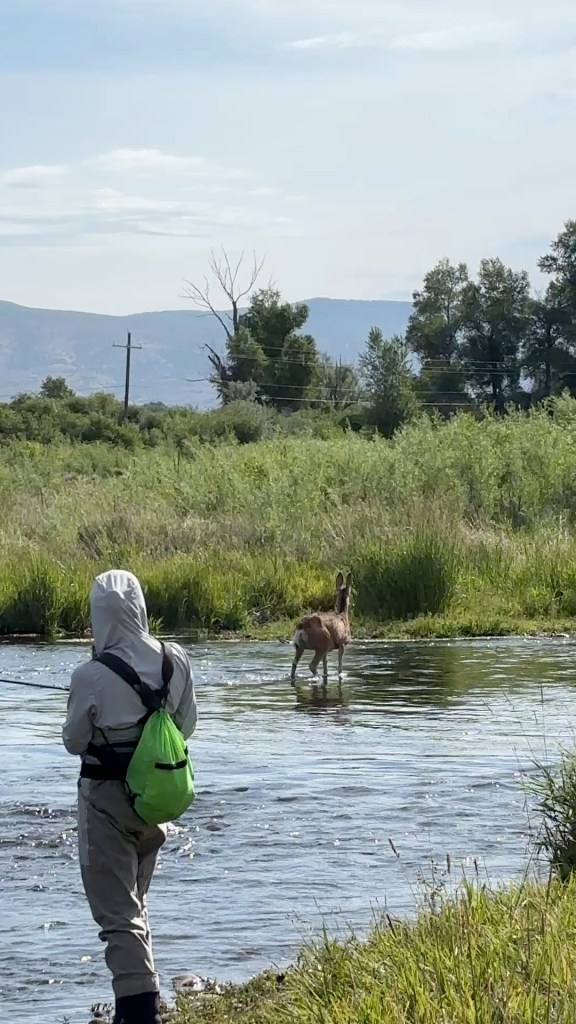
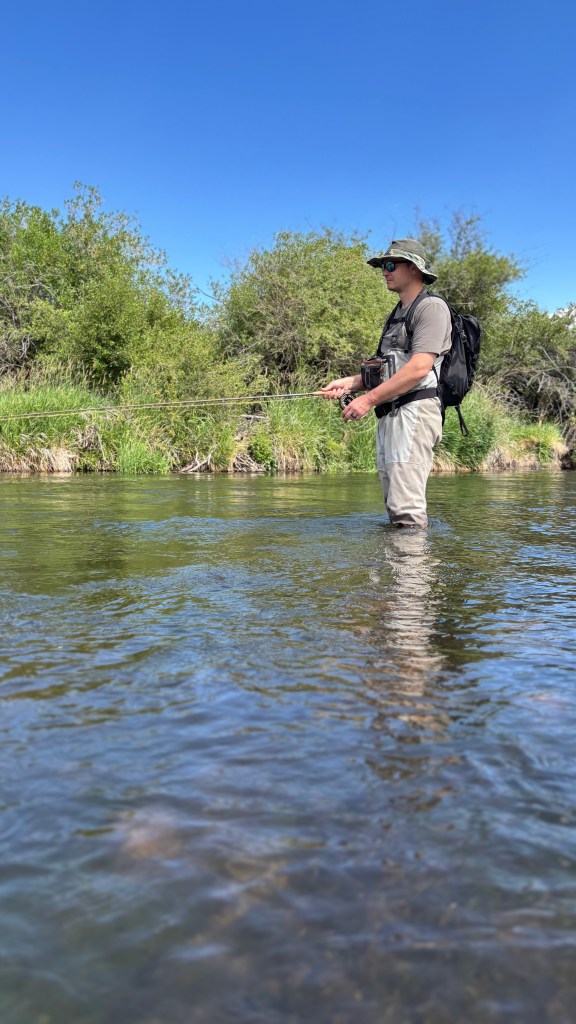
Then a deer wandered down to the far bank and crossed the river, casual as anything, like I was the one intruding, which I was. It did not so much as glance at my terrible cast or anyone’s fish. It just crossed and carried on. That was the moment the morning earned itself. You do not get that standing on dry land taking pictures. You get it by being clumsy and out there, trying something you are bad at, at an age when most people have quietly decided to stop being bad at new things.
Nobody really goes fishing to catch fish anyway. You go to stand in cold water for a few hours and think about nothing much, and on that front, I limited out.
Eating on the Silver
Here is where the silver thread stops being a metaphor and turns into dinner.
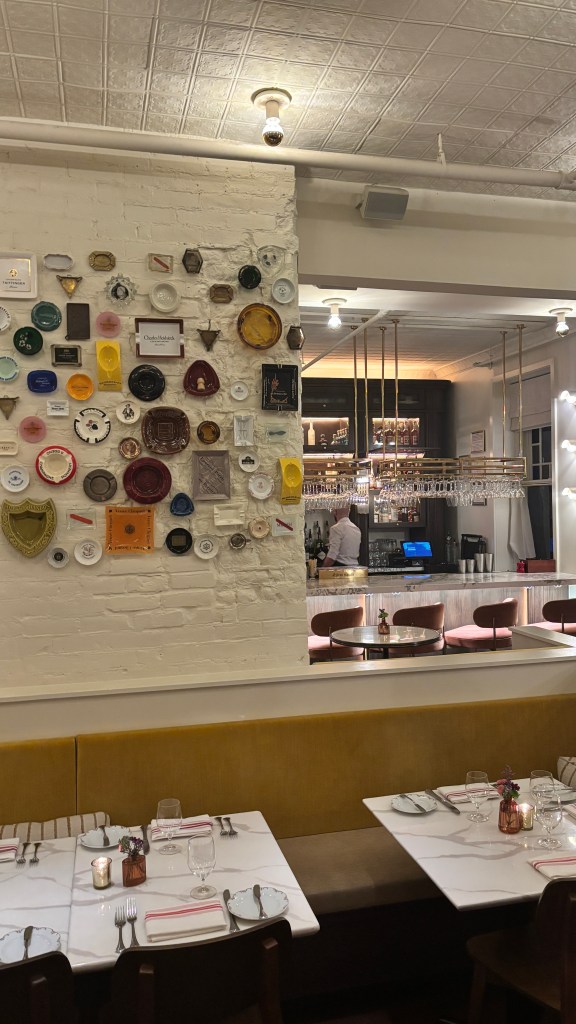
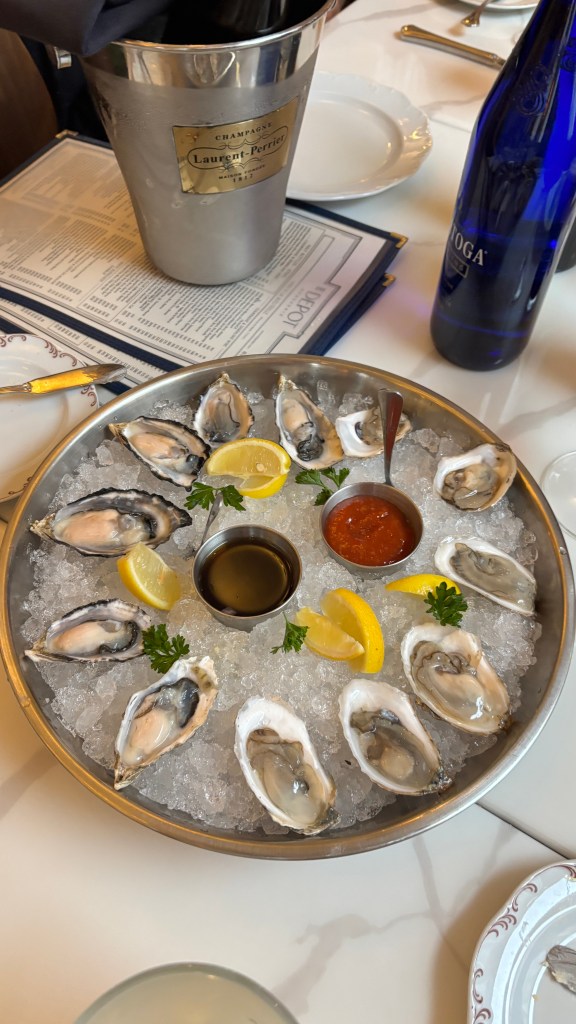
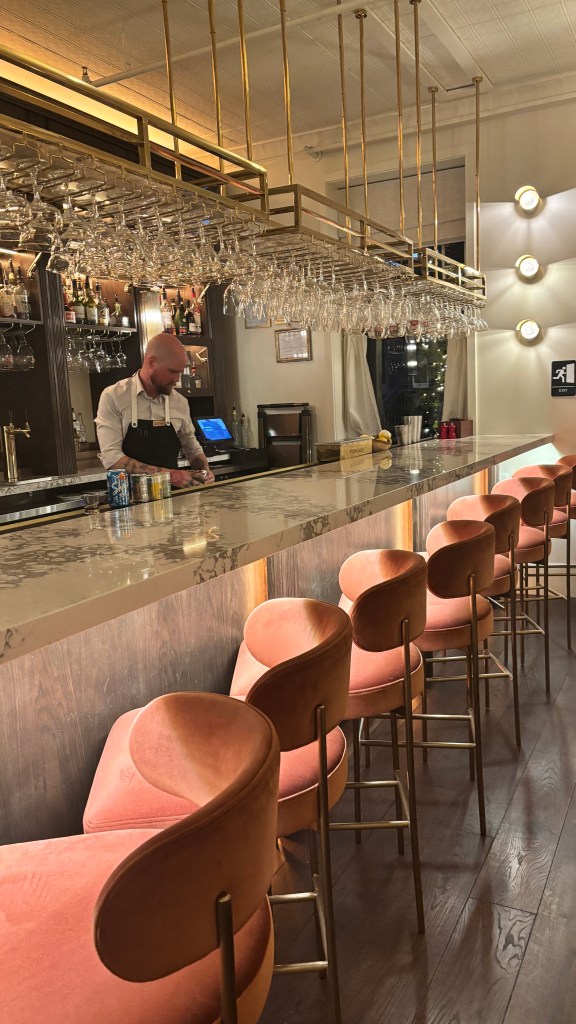
We ate our first night at Le Depot, a French brasserie built inside the old Union Pacific depot, built in 1886 to move ore and coal to and from the mines. Sit with that for a second. The railway existed to haul silver ore out of these mountains and haul supplies and people back in. It was the artery of the whole operation. Now it plates steak tartare under hanging glassware, and I sat there wrecked from a day of riding, eating well inside the building that used to move the mountain’s fortune. The ore is long gone. The room remembers.
One day took us out to Dendric Estate, a cidery at over 6,000 feet outside Kamas, for lunch and a tasting with the founders, Brendan and Carly Coyle.
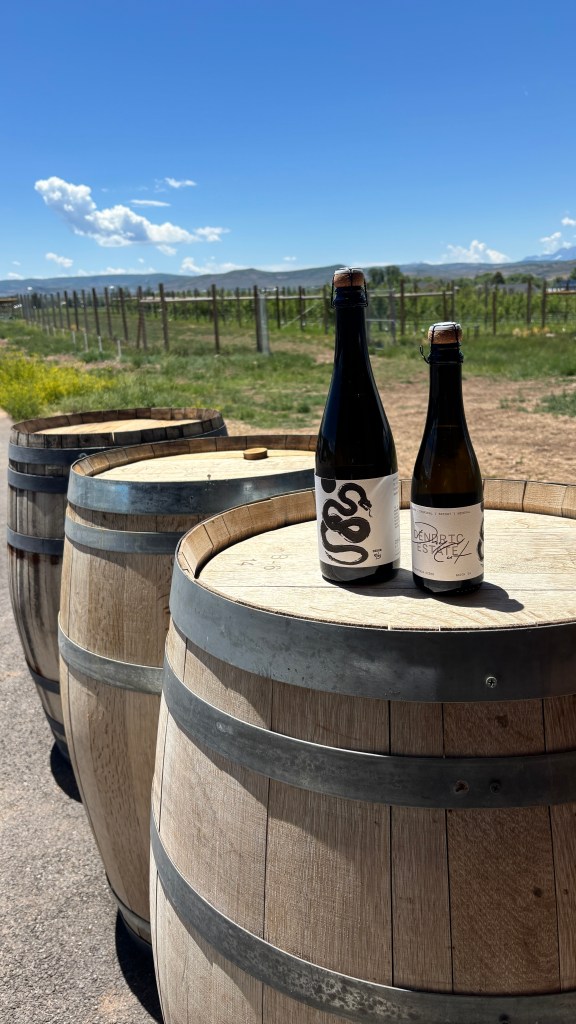
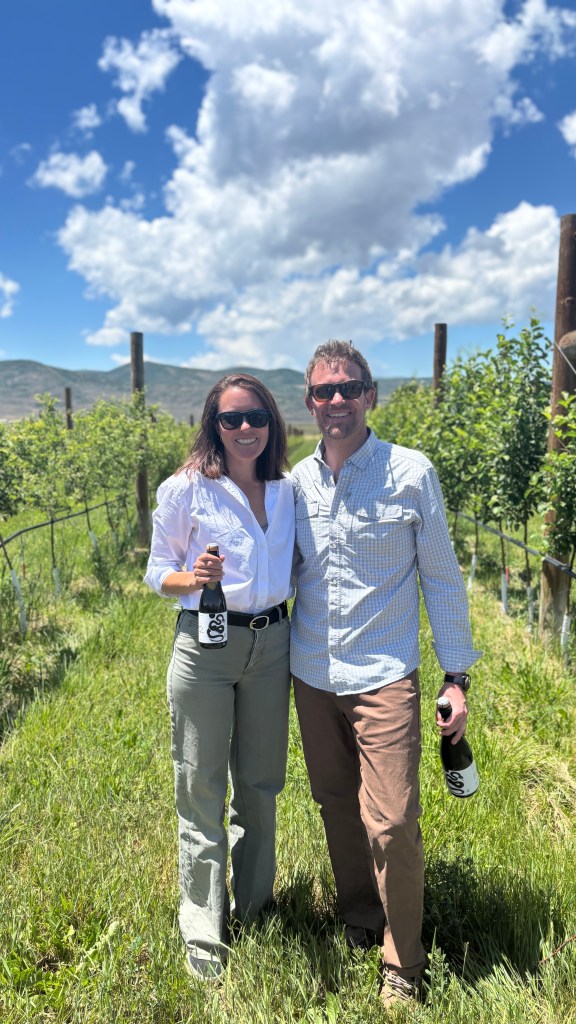
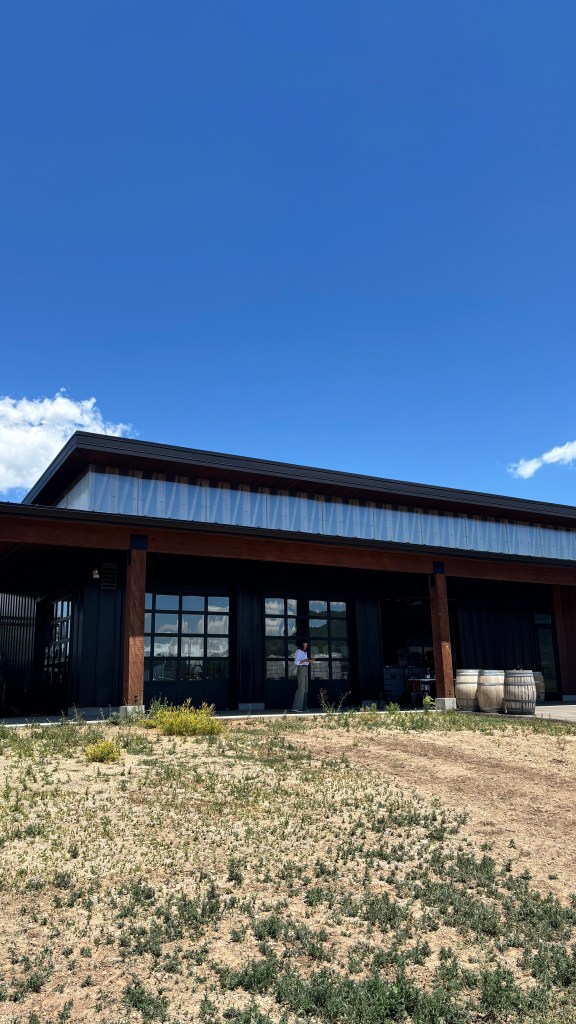
They planted at an elevation where cider fruit has no business growing, agriculture on the fringe, which is exactly where they want to be. The miners were the first to look at this unforgiving country and decide it would give something up if you worked hard enough. The Coyles are doing the same thing a century and a half later. Different treasure, same stubborn bet.
The rest of the trip ate just as well, Grappa at the top of Main Street, LOMA and Palomino on the busiest day, and Salt Box for a quiet lunch.
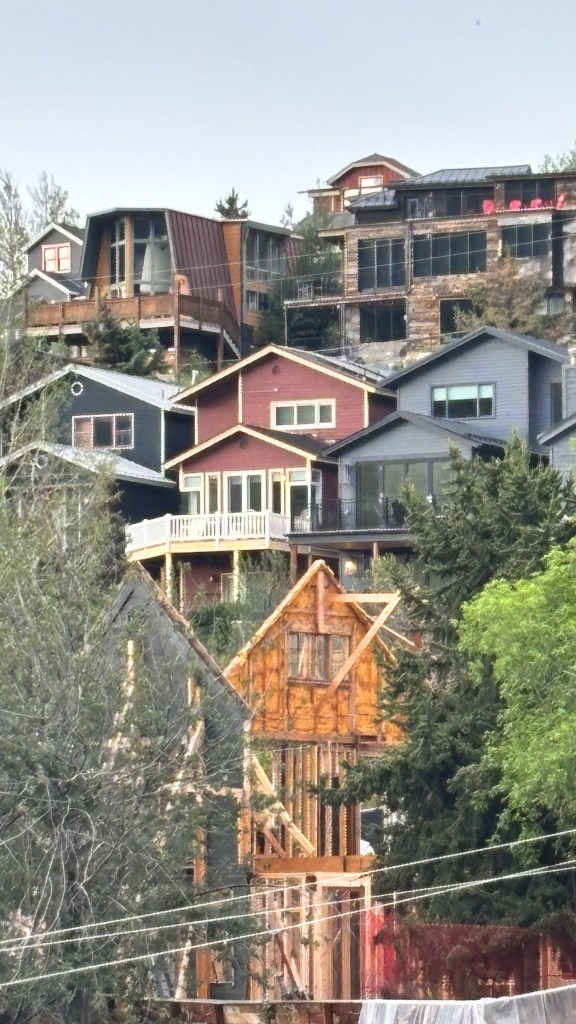

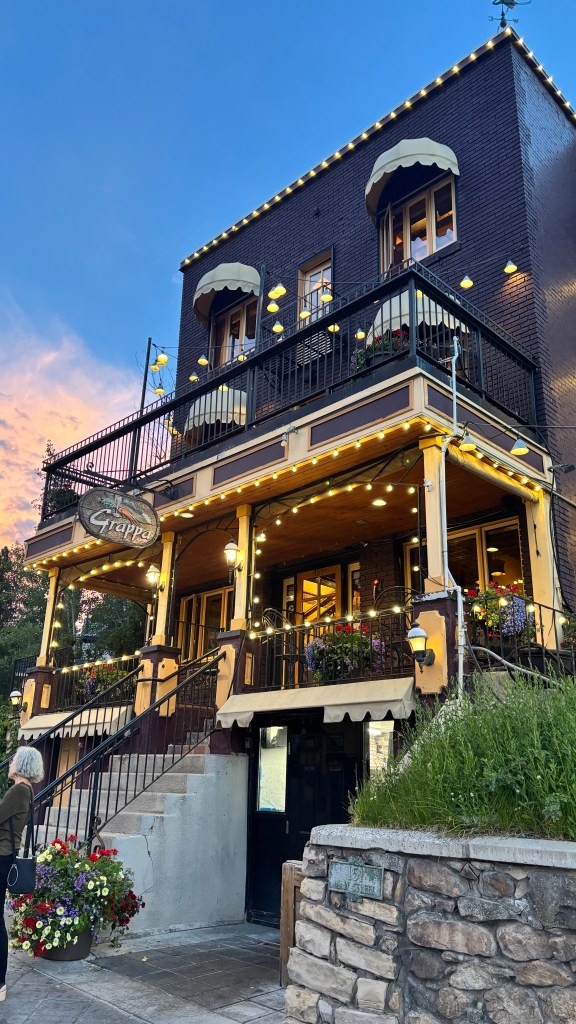
Every one of them sits in the old miners’ town. Main Street exists because thousands of workers and their families needed somewhere to live, eat and drink, and the restaurants are just the current tenants.
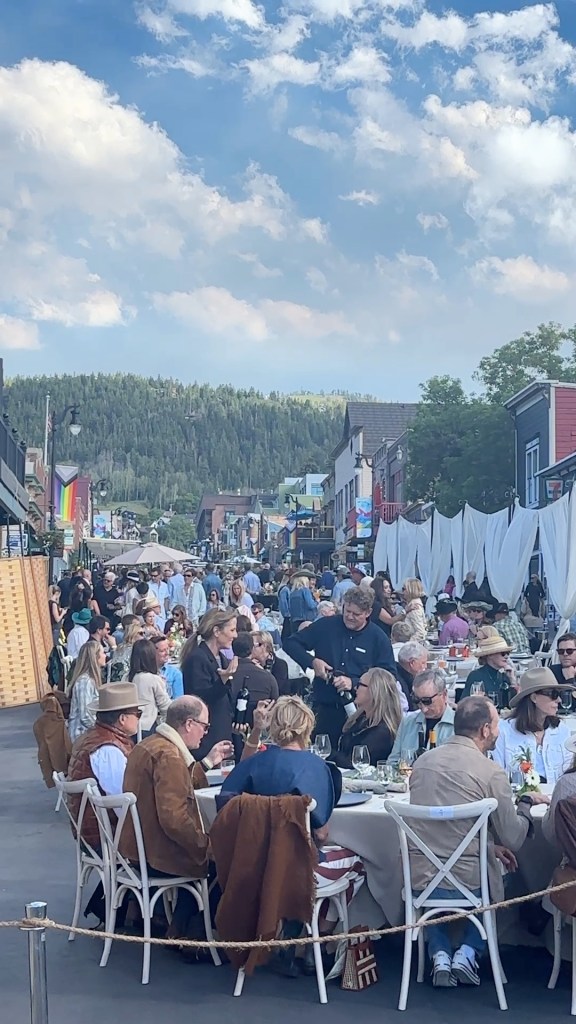
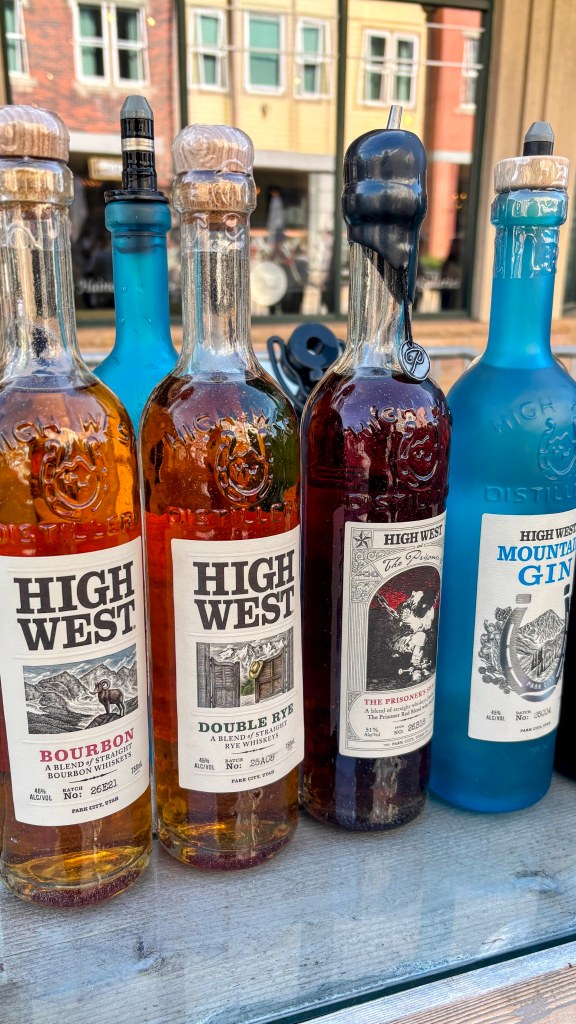
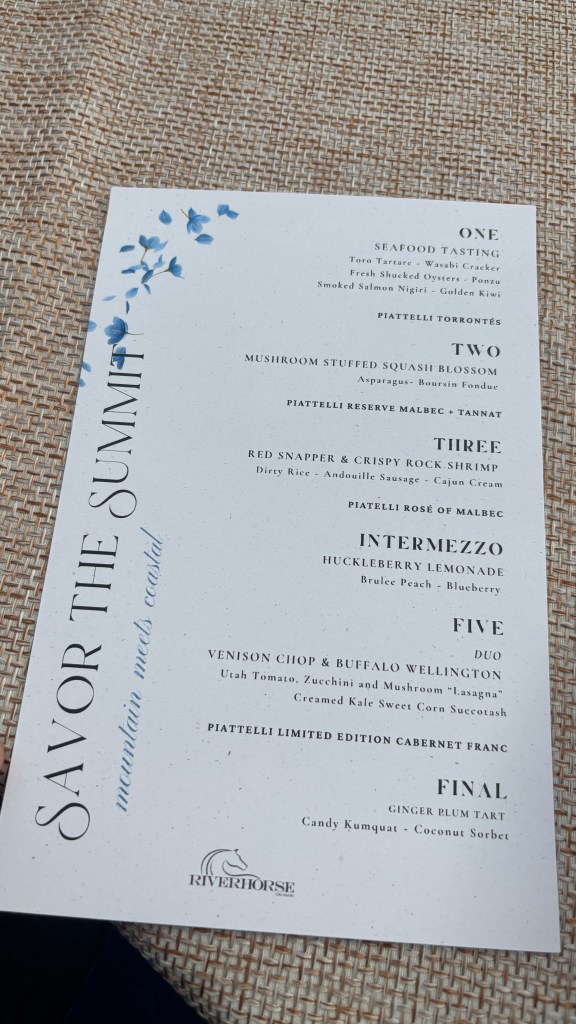
But the meal that tied it all together was Savor the Summit, the town’s big night: a single long table down the middle of Main Street, cowboy boots and hats everywhere, chefs cooking right there with no kitchen wall to hide behind, a seafood paella built tableside in a pan the size of a table. Earlier, we spent time in the High West garden, where the distillery was pouring the Prisoner’s Share, a bourbon and rye finished in red wine barrels from The Prisoner Wine Company, out just weeks before we got there. For a few hours, the whole town sits down to eat together. Of everything I ate on the trip, this was the night that stuck.
The Silver Underneath
For three days, the mountain was a playground. Then, on my last afternoon on the bike, after Deer Valley and lunch at the Glitretind, we rolled up to the Pay Day run with a guide from the Friends of Ski Mountain Mining History, and it stopped being one.
The silver was discovered here in 1868, and the mines ran for the better part of the next century, long enough to make real fortunes. Thomas Kearns took his cut and became a US Senator, then built the mansion on South Temple that is now the Governor’s residence. Albion Emery’s widow, Susannah, became known in her own right as Utah’s Silver Queen. That same silver built the town: Main Street exists because the mines needed workers, and the workers needed somewhere to live.
The anchor is the Silver King Coalition Mine headframe, built in 1926 and still standing after a multi-year effort to stabilize it following the collapse of the shaft below it. It is now the centrepiece of a 32-acre National Historic District, designated in December 2024. It is enormous and grim, and it does not care that there are mountain bikers freewheeling past it.
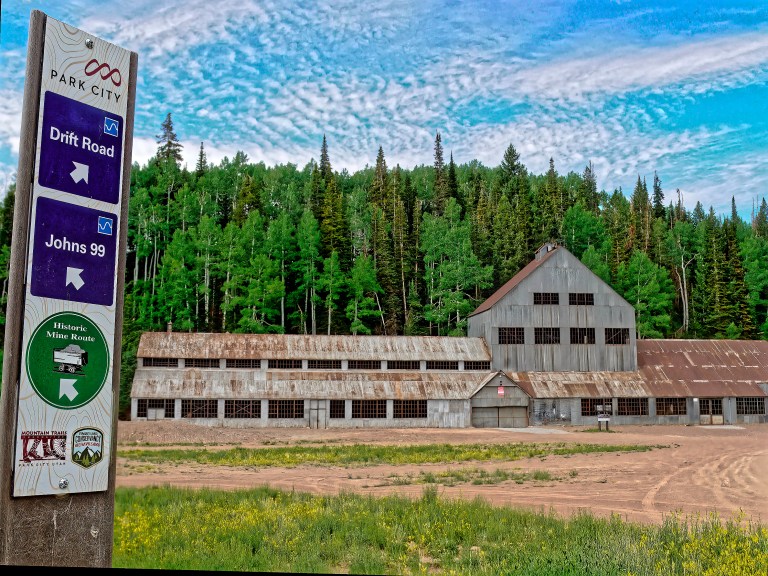
Part of what we saw that afternoon, from the chairlift and a short walk at the top, is now the Park City Historic Mine Route, a 7-mile loop connecting 24 historic sites, GPS-guided, opening to the public September 7. We got a look at it before anyone else did.
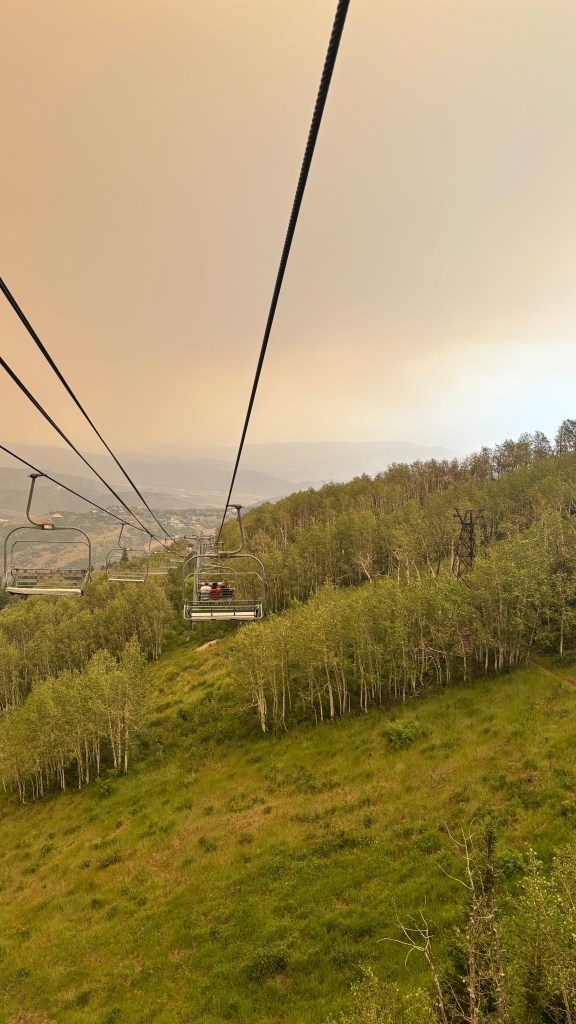


The mines are gone. The structures remain because a crew of volunteers keeps deciding they should. You can ride this mountain your whole life and never know what it cost to make it rideable, unless someone makes sure you find out.
Planning Your Visit
Everything here happened inside a much bigger system. Park City runs on roughly 400 miles of trail, and in a good year, you can keep riding into November before the snow decides for you. Once it does, a chunk of that same network opens up to fat bikes, so the trails do not really close, they just change what you ride them on.
For the mining history without the climbing, the Union Pacific Rail Trail is flat and follows the old rail bed straight through town.
The Historic Mine Route covers the harder version, the same 7-mile loop that put us on the Silver King in the first place.
The Park City Museum on Main Street fills in whatever the trail signs do not, worth an hour if you want the whole story before you ride any of it.
White Pine Touring ran our riding for all three days, bikes and guides both included.
JANS ran the fishing, waders and all, and clearly knows the Provo River better than I ever will.
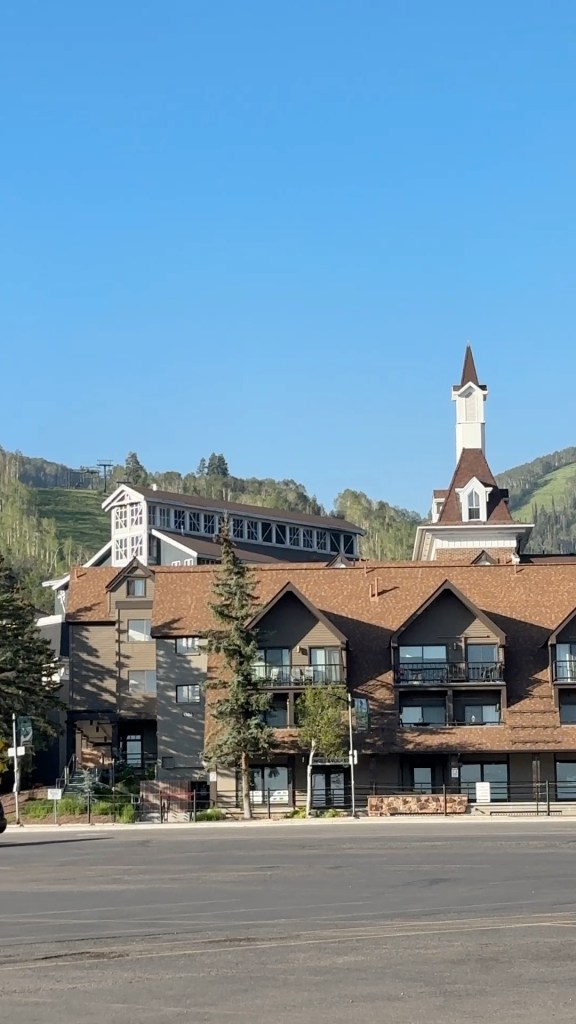
Park City Lodging put us up at The Lowell, at the foot of Park City Mountain, in a condo rather than a hotel room, a setup that works whether you are solo or wrangling a group. [photo: The Lowell at the base of Park City Mountain]
On a winter trip I stayed at the other end of the spectrum, Stein Eriksen Lodge over at Deer Valley, about as polished as mountain lodging gets.
Deer Valley has its own summer calendar now: the Fox US Open of Mountain Biking lands September 11 to 13, and the Mountain Beer Festival runs its fifth year the same month, both new enough to build a trip around. Off the bike, the resort keeps investing just as hard, with eleven new chairlifts since 2024 and 4,500 acres coming for next winter. And in 2034, the Olympics return to these same slopes: Park City Mountain hosts freestyle skiing and snowboarding, and Deer Valley hosts moguls and aerials, both venues reused from 2002. Nothing that smooth happens by accident, on the snow or off it.
Best time to go: any season works. Summer runs from June through October, riding stretches into November most years, and Salt Lake City International is close enough, with direct flights from several Canadian cities, that this is an easy trip to just decide to take.

