A dog is napping in the shade when you step off the boat. Nobody is rushing. The time almost stands still. Thirty kilometres from Cartagena, the comparison is immediate. You were just inside walls that have been standing for four centuries, surrounded by history that demands your full attention. Here, nothing demands anything.
We spent two days and it wasn’t enough.
Getting There
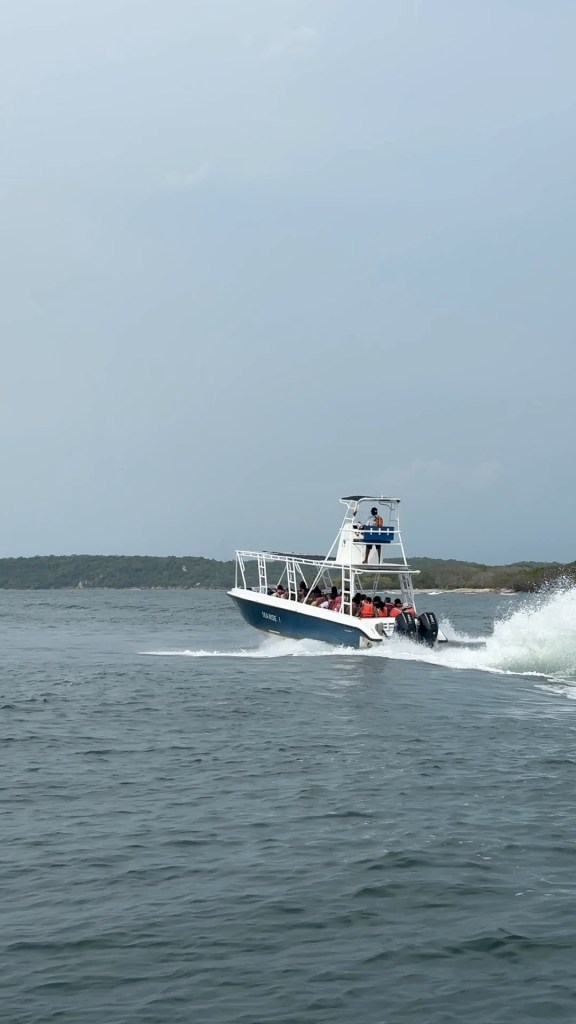
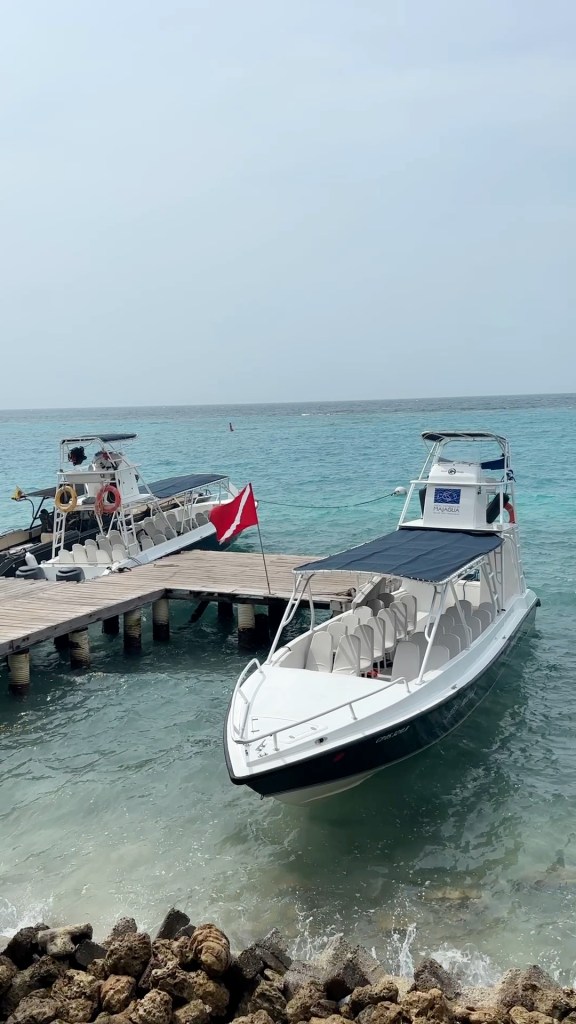
The boat leaves from the Muelle Turístico de la Bodeguita, the main tourist pier in Cartagena, which is chaotic first thing in the morning. Vendors, boats, passengers, luggage, nobody entirely sure which queue is the right one. The crossing takes anywhere from forty-five minutes to an hour depending on your destination. Get there early, stay calm, and follow whoever looks like they know what they’re doing. If you’re staying at Hotel Las Islas, book the transfer through them directly. It removes the guesswork at the pier and usually means a smaller, more direct ride rather than a shared tour boat making three stops before yours.
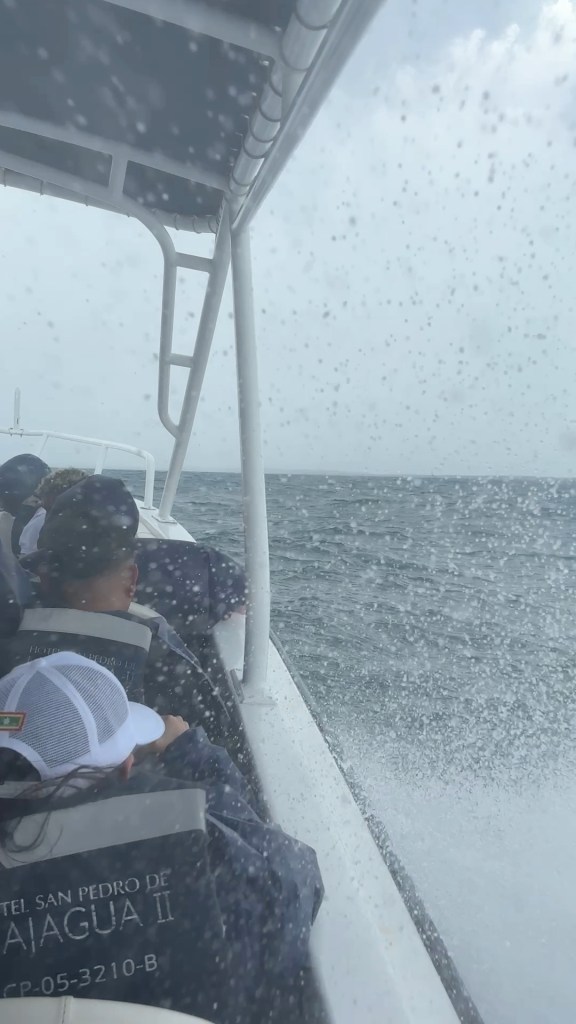
A word on the crossing: it can get choppy and if it rains you will get wet. Our boat had ponchos alongside the life jackets. Neither is a reason not to go. The water colour alone is worth it: deep Caribbean blue that shifts to turquoise as you close in on the islands. On the way you’ll pass small islands with their own clusters of lodging, each one more secluded than the last.
Alternatively, there’s a land transfer by private vehicle. About ninety minutes from Cartagena through the peninsula to Barú, quieter if you’d rather skip the pier entirely. Hotel Las Islas also offers a helicopter transfer: eighteen minutes, aerial views of the coast. Ask the hotel directly when you book.
Note: regardless of how you get there, book transfers in advance. The islands are popular and logistics fill up, especially in high season.
The Islands Themselves
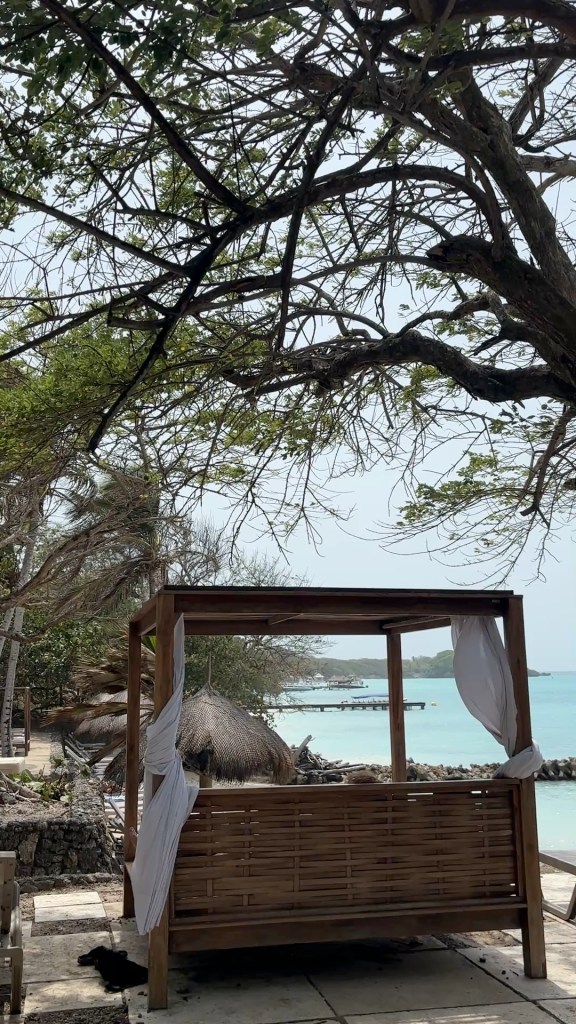
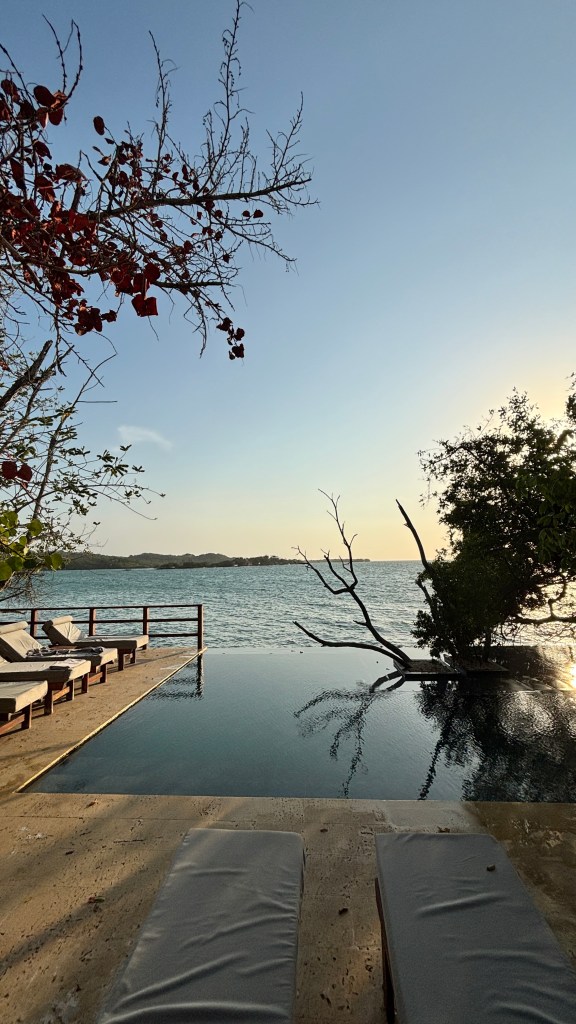
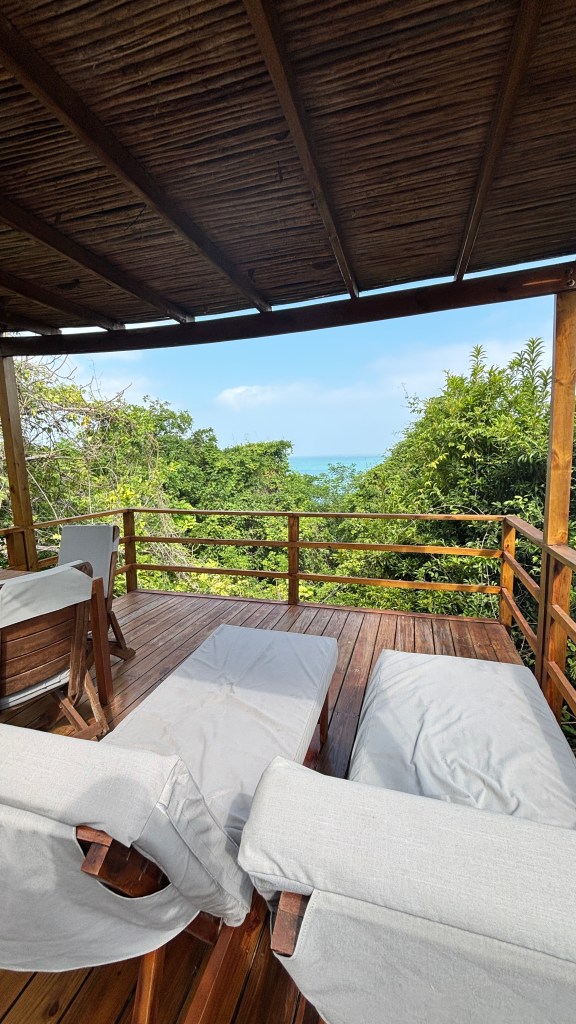
We stayed at Hotel Las Islas, specifically in the Tree Top Bungalow. The property is an ecolodge by design, built into the natural landscape of the island rather than imposed on it, with thatched bungalows, private beach access, and a deliberately light footprint. If your primary reason for leaving Cartagena is to escape Cartagena, this is the right choice. It’s a premium property, so budget accordingly, but you get what you pay for, and then some. The Tree Top Bungalow is not a gimmick, not a prop, but an actual luxury structure sitting in the tree canopy, with a proper deck, views over the water, and a jacuzzi. Wake up to the right morning light on that deck and you won’t want to leave.
The tradeoff is the birds. The Tree Top Bungalow sits in the canopy because the canopy is where the birds live, and the birds did not adjust their schedule to accommodate us. On the second morning we woke at sunrise to what sounded like a full argument directly above our heads, dozens of birds shouting at once, each apparently convinced the others were wrong. Claire listened for a moment and offered a translation: something inappropriate, directed at each other and possibly at us for sleeping in what was their tree. She seemed confident in the interpretation. I had no grounds to disagree. Don’t book the Tree Top Bungalow expecting to sleep in. Adjust your schedule to theirs, catch the sunrise. You’ll be glad you did.
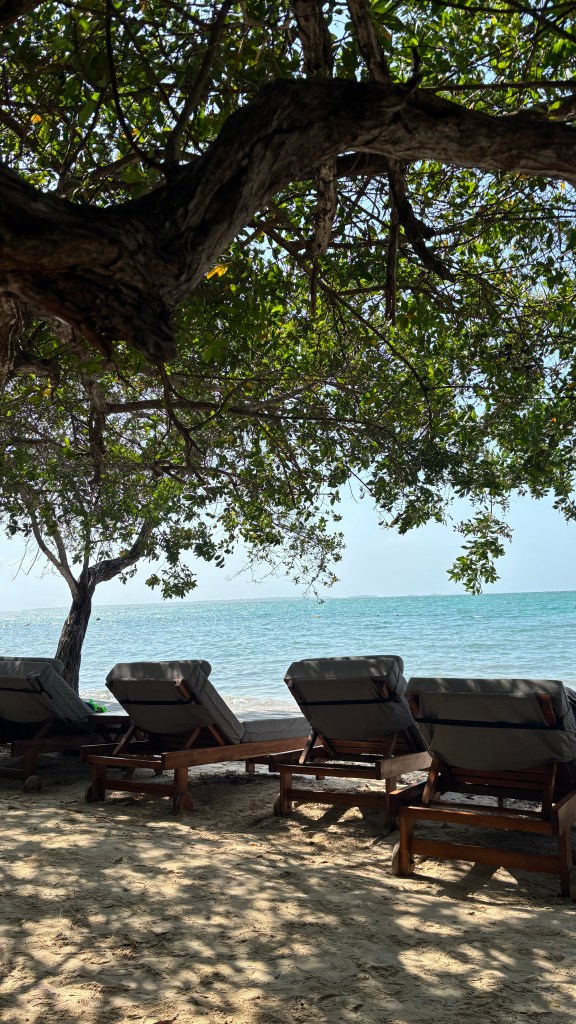
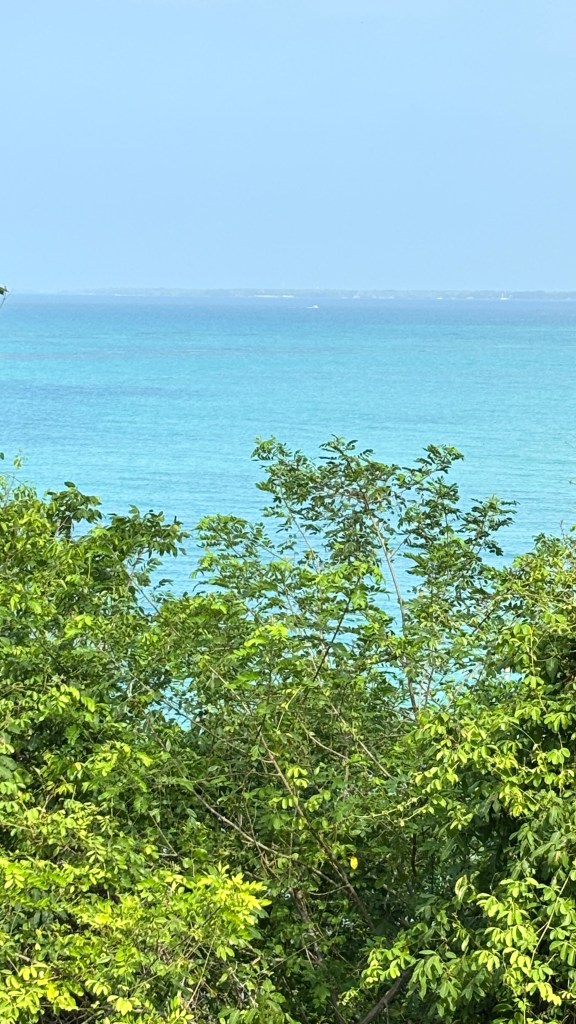
When you’re done arguing with the birds, there’s the beach. A long line of buoys runs along the shore, and the water inside is warm and so salty that staying afloat barely requires effort. You wade in, float, and at some point stop noticing the time. The ocean here is closer to a bath than a refreshing plunge. If you came for cooling off, the shade under the trees is doing that job. Paddleboarding and hydrofoil are available if you need a reason to be upright.
The pace here is deliberate. What there is: water, reef, birds, the occasional iguana moving through the undergrowth with great purpose. If you can’t sit still for two days, the islands will feel long. If you need an excuse to stop, this is it.
Note: bring reef-safe sunscreen. The islands sit inside a protected marine park and the coral is worth protecting. Diving Planet runs active coral restoration work in these waters. The least you can do is not undo it with your SPF 50.
Barú and Playa Agua Azul
The island of Barú sits between Cartagena and the Rosario Islands, and it’s worth stopping at, though the two experiences it offers are so different that they couldn’t feel more different.
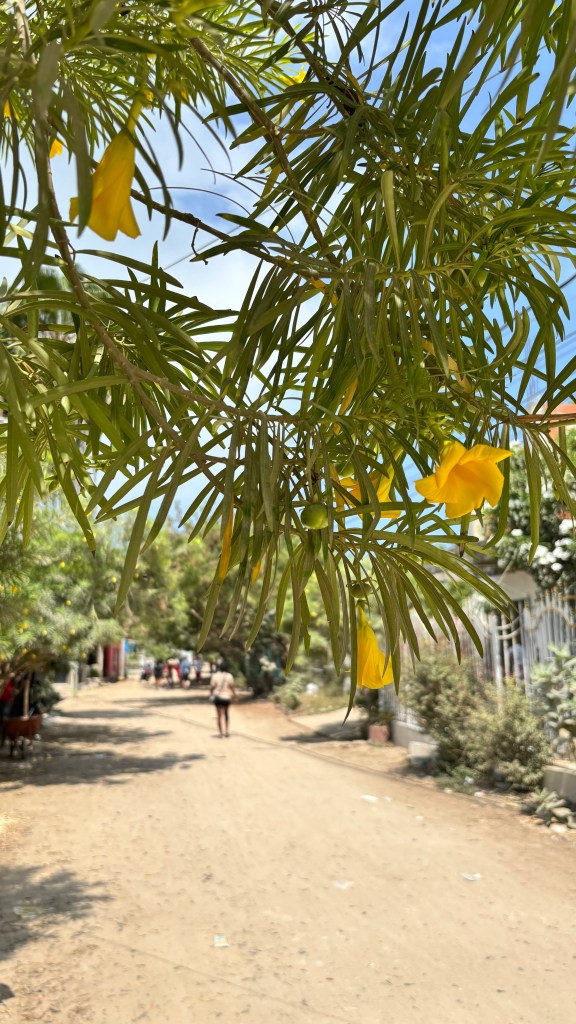
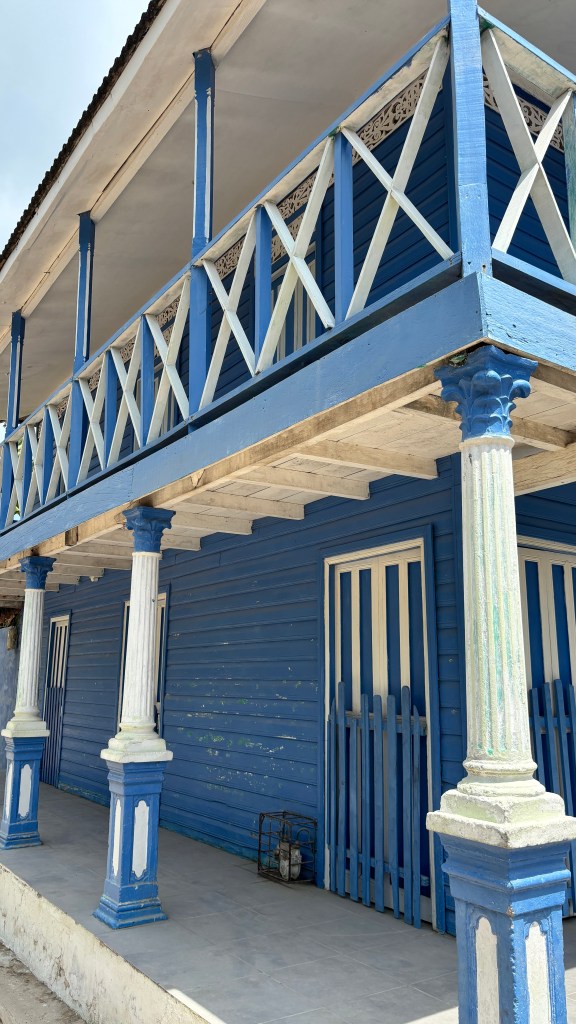
Start with the village. The road in takes you past the local school, and the children are curious. You’ll get greetings, stares, waves before you’ve said a word. Barú is home to a tight-knit Afro-Colombian community who have lived here for generations largely on their own terms. That history is present in the buildings: a small number of colonial structures painted in bright, defiant colours, surviving against the odds, given the wet climate and the termites. Some are beautifully preserved, some are fading at the edges, all of them look slightly out of place, like they’ve decided to stay regardless of what the weather thinks.
We arrived on a water delivery day. The whole village had gathered at the distribution point, canisters in hand, catching up while they waited their turn. Across the street, a barber was cutting another man’s hair in the shade of a large tree, an outdoor salon that had been operating this way for years. Then a bright yellow Toyota Land Cruiser came slowly through the narrow streets, a loudspeaker mounted on the roof announcing the day’s fruit selection to anyone within several hundred metres. The village square holds the largest tree on the island, a natural gathering point where kids and adults with nowhere to be collect in the afternoon shade.
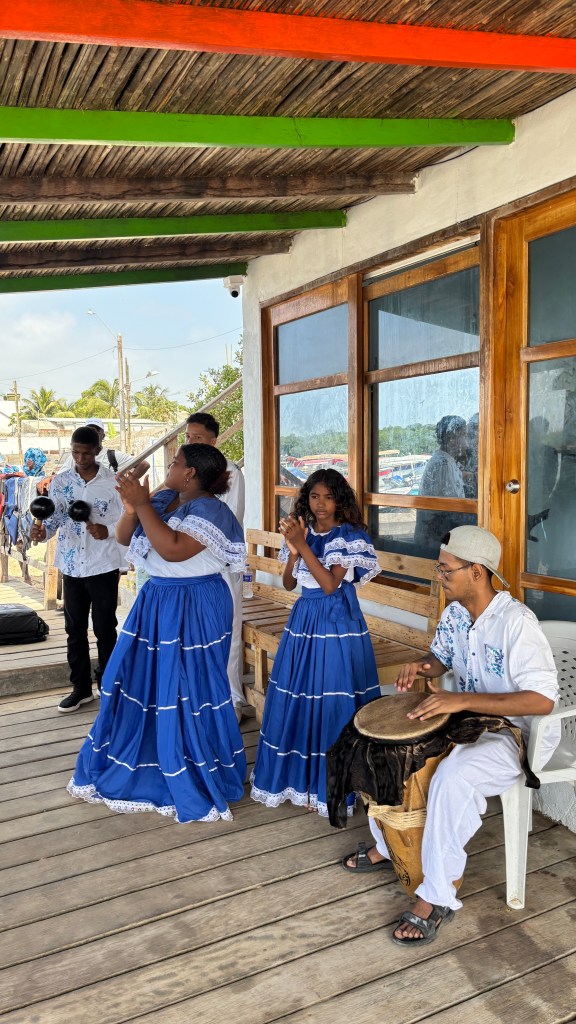
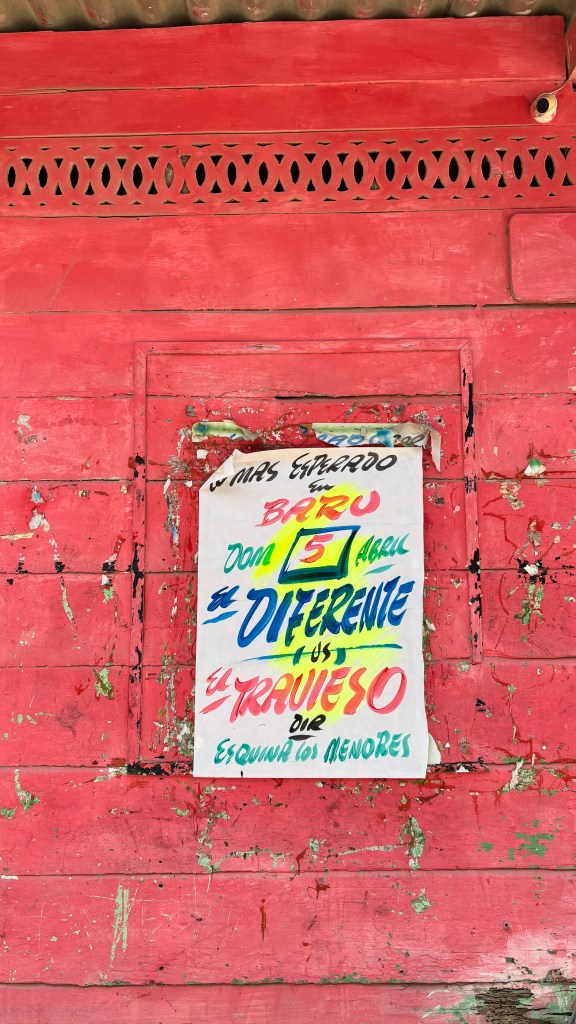
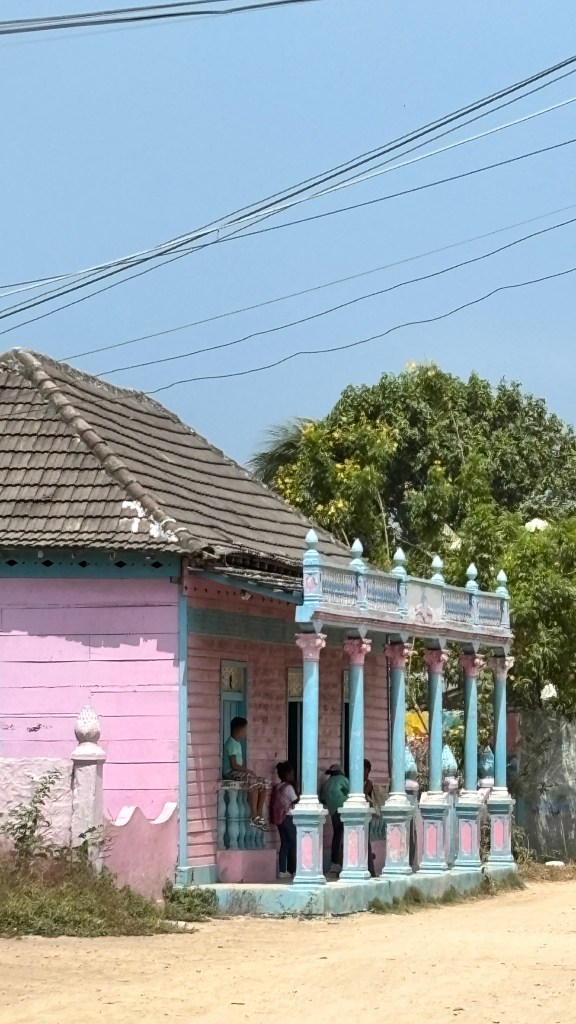
Before you leave, find the art house. It’s a small museum, modest in scale and not modest in ambition. The walls are hung with paintings of the colourful village buildings and the local sea life, painted by people who actually live here. There are also some decidedly adult pieces, which is not what you expect from a small community museum and is worth twenty minutes of your time. In the yard, a small vendor table with local crafts stopped Claire long enough that she walked out with a large wooden spoon. Not what either of us expected to leave with.
If you want to go deeper, local guides run canoe trips through the ancestral mangrove tunnels that line the coast. Quiet, dense, and unlike anything on the island’s surface. Worth half a morning.
Then, a short boat ride away, Playa Agua Azul operates at a completely different volume. Where Barú is quiet, this is loud: music from multiple directions, packed tables, the smell of grilled seafood hitting you before you’ve found a seat, cats weaving between chairs hiding from the heat. Get the langoustines, or the giant oysters, the shrimp, the fresh fish. The selection is serious and the kitchens know what they’re doing. The cocktails are worth it too: piña colada served in a pineapple, rum drink in a coconut. Claire’s fish came without butter on request, no fuss at all.
Playa Agua Azul is popular. If you’re expecting a quiet Caribbean lunch, recalibrate. If you’re expecting a lively Colombian beach afternoon with good food and cold drinks, you’ll leave happy.
Diving Planet Cartagena
Once you submerge, the noise of the surface disappears entirely. Fish go about their business: a bright school moving through in formation, lobsters tucked into crevices, a moray eel tending a cleaning station, unbothered. The coral has good diversity: soft corals, big sponges, colour where you might not have expected it. One sponge in particular stopped us, an elephant ear coral, as tall and wide as two people standing side by side, the kind of thing that makes you forget you’re supposed to keep swimming. Overfishing has taken its toll and you won’t encounter anything very large, but what’s here is alive and well-tended, which is more than most Caribbean reefs can say right now.
The operator matters. Andrés, the owner of Diving Planet Cartagena, is a marine biologist who runs active coral restoration work from an on-site lab, cultivating coral fragments and replanting them on damaged sections of reef. He talked about it the way people talk about work they’d do whether anyone was watching or not. Specifically proud of his team, proud of every small piece of reef that had come back. If you want to do more than dive, Diving Planet accepts volunteers for the restoration work. Worth asking about when you book.
Note: when the wind picks up, dive spots shift to the more sheltered side of the island where the water is calmer. Book directly through Diving Planet’s website or ask Hotel Las Islas to arrange it when you book your stay. Do this ahead of time. The dives fill up.
If you’re a casual or lapsed diver, don’t let that put you off. The dives are accessible and the briefings thorough.
Somewhere between the bird argument at sunrise and Claire’s inexplicable wooden spoon, the Rosario Islands deliver. The city stops pressing. The history stops mattering quite so much. You’re just somewhere warm and quiet, watching a moray eel tend its cleaning station, and that turns out to be enough.
No walls. No cobblestones. No sense that you’re standing inside someone else’s carefully preserved past. Just the open water, and the particular freedom of a place that doesn’t know you’re coming.
This is the middle of three posts from one Colombia trip. Before the islands, there was Cartagena, all stone walls and centuries of preserved history, which is a lot to carry in that heat. After the islands, we drove inland to Mompox, which is cut off in a strange way. The Rosario Islands are a stretch with no walls at all. That is more or less the point of them.

